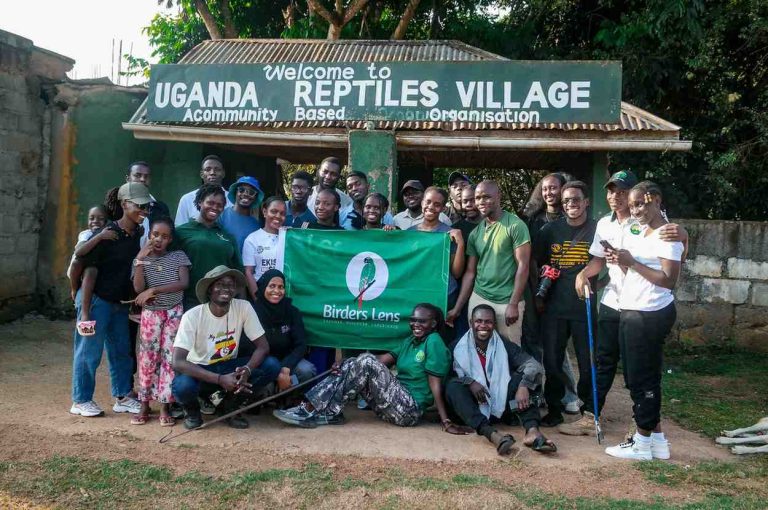
World Tiger Day: Why It Matters & How You Can Support Conservation in Uganda

Every year on July 29th, the world comes together to observe World Tiger Day, a global initiative aimed at raising awareness about tiger conservation. As apex predators, tigers play a crucial role in maintaining the balance of ecosystems. But more than that, they are iconic symbols of wilderness and strength. Sadly, their numbers are declining at an alarming rate due to habitat loss, poaching, and human-wildlife conflict.
Why Tigers Matter
Tigers are more than just charismatic big cats; they are keystone species. Their survival ensures the health of the forests they inhabit, which in turn supports countless other species and provides vital ecosystem services to humanity. Protecting tigers means preserving biodiversity, supporting carbon storage, and protecting water sources for millions of people.
The Types of Tigers and Their Current Populations
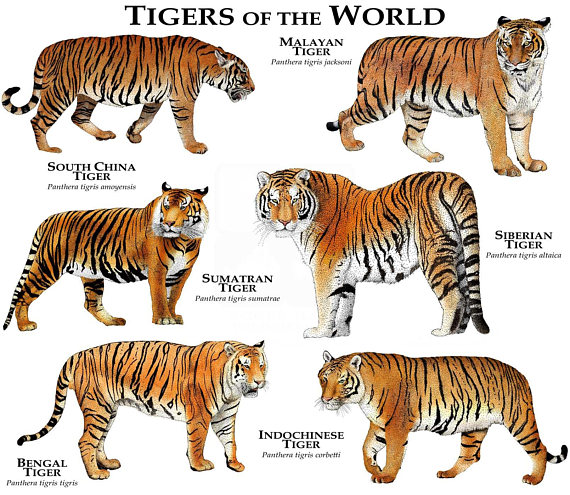
There are six surviving subspecies of tigers today:
- Bengal Tiger (Panthera tigris tigris) – Primarily found in India, with smaller populations in Bangladesh, Nepal, and Bhutan. Estimated population: 2,967.
- Indochinese Tiger (Panthera tigris corbetti) – Found in Southeast Asia. Estimated population: ~250.
- Malayan Tiger (Panthera tigris jacksoni) – Found only in Peninsular Malaysia. Estimated population: <150.
- Amur (Siberian) Tiger (Panthera tigris altaica) – Native to the Russian Far East. Estimated population: ~600.
- South China Tiger (Panthera tigris amoyensis) – Functionally extinct in the wild; some exist in captivity.
- Sumatran Tiger (Panthera tigris sumatrae) – Native to Sumatra, Indonesia. Estimated population: <400.
Three subspecies have already gone extinct in the last century: the Caspian, Bali, and Javan tigers.
In total, it’s estimated that fewer than 4,000 tigers remain in the wild today. This underscores the urgency of intensified conservation efforts worldwide.
Tigers in Uganda: Rare Ambassadors of Conservation
Tigers are not indigenous to Africa, but the Uganda Wildlife Education Centre (UWEC) in Entebbe is home to two Bengal tigers, introduced in March 2020. They arrived from South Africa through an exchange program involving Colobus and De Brazza’s monkeys
Tigers in Uganda: Names, Origins & Conservation Roles
While Uganda lies outside the natural habitat of tigers, Uganda Wildlife Education Centre (UWEC) in Entebbe is home to two Bengal tigers that serve as ambassadors of global conservation:
Yura – the White Male Bengal Tiger
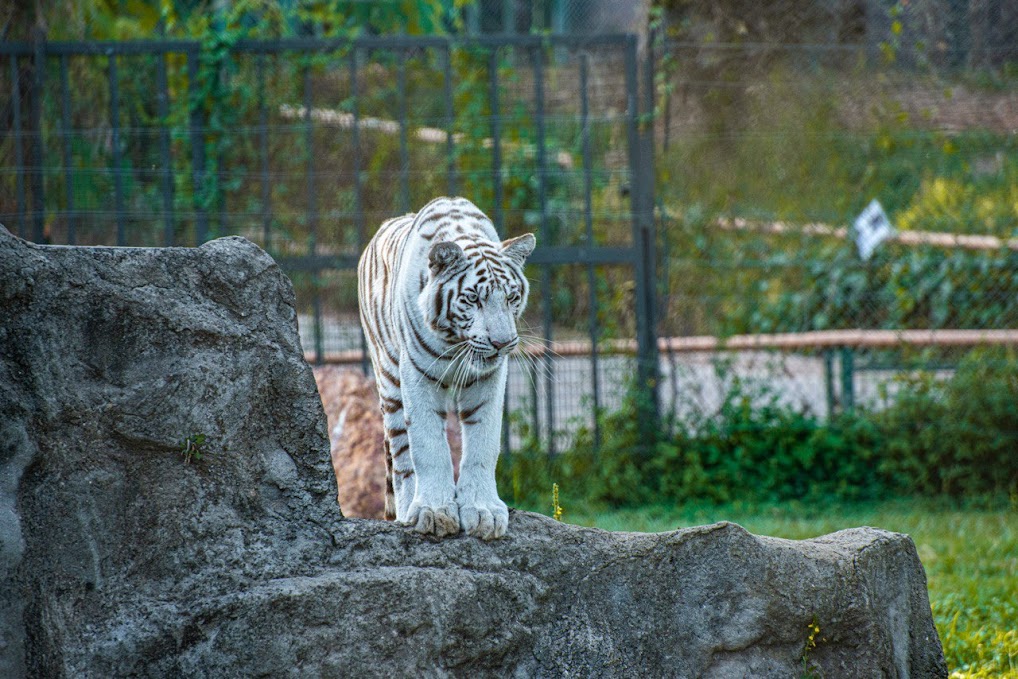
- Gender & Coloration: White Bengal tiger, male.
- Name: Yura, a name meaning “beautiful”, officially bestowed in November 2022. The naming rights were granted to Yuti Breweries Limited, who entered a sponsorship agreement with UWEC
- Arrival: Imported from South Africa and publicly unveiled on March 7, 2020
- Profile: At roughly 7 years old, Yura is the larger of the two UWEC tigers. He consumes 8–10 kg of beef daily (plus liver, chicken, goat), can run up to 65 km/h, and his roar carries up to 3 km
The Female Tiger

- Description: A female brown Bengal tiger, brought to UWEC alongside Yura on the same date.
- Name: While Yura’s naming was publicized, the female’s name has not been officially revealed
These two tigers were introduced as part of a conservation education and welfare initiative, marking the return of big cats to Entebbe Zoo after more than 50 years
Why is Yura a White Tiger?
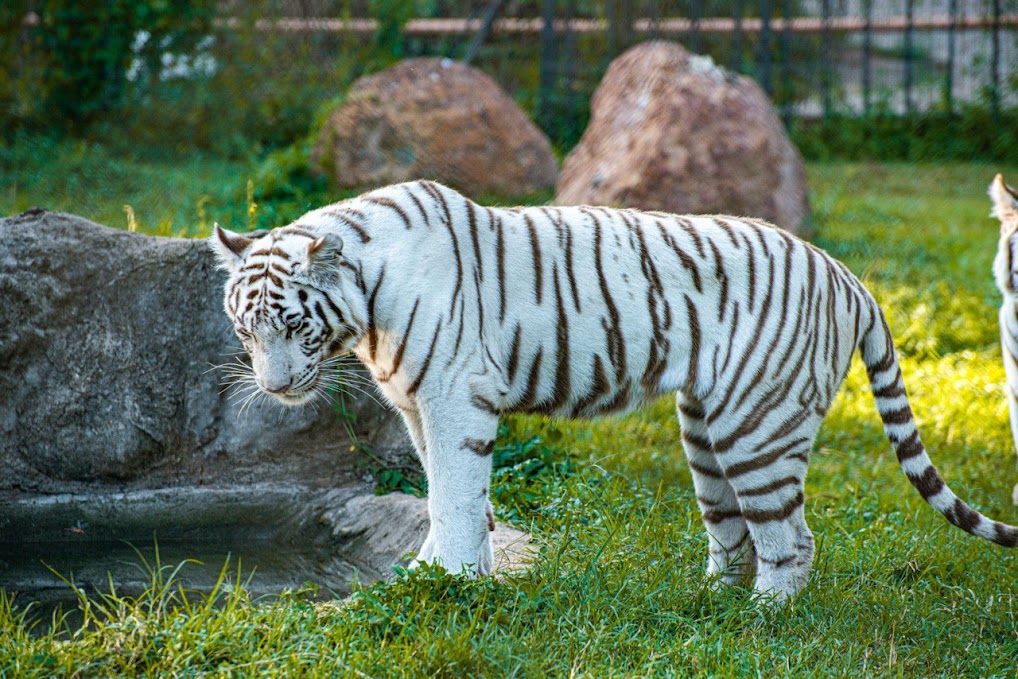
Yura’s striking white coat is caused by a rare genetic mutation known as leucism, found within Bengal tigers. Unlike albinism, leucism reduces pigmentation but retains normal eye color, often resulting in blue eyes, pink noses, and white fur with dark stripes.
This condition appears only when both parents carry the recessive gene, making white tigers extremely rare in the wild. While not a separate subspecies, white Bengal tigers like Yura are powerful tools for education and conservation awareness highlighting the role genetics play in species diversity and vulnerability.
A Milestone: Tiger Cubs at UWEC
In September 2023, UWEC celebrated the birth of two tiger cubs, born to the female (often referred to as “Brown”) and Yura
- The cubs were born on September 22, 2023, and are in good health, thriving under the care of UWEC’s veterinary team.
- Though born together, they are not officially described as twins, just two cubs from the same litter.
- UWEC has announced plans for a naming ceremony in the near future
Support Tiger Conservation: Visit UWEC Through Birders Lens
At Birders Lens, we recognize that conservation must extend beyond words as it requires direct action and awareness-building. That’s why we encourage all wildlife enthusiasts, families, and eco-tourists to visit the Uganda Wildlife Education Centre and witness these awe-inspiring cats up close.
By visiting UWEC:
- You support ongoing animal care and conservation education programs.
- You contribute to local and international efforts to protect endangered species.
- You gain a richer understanding of wildlife conservation, both native and exotic.
We offer tailored bookings and guided tours to UWEC as part of our wildlife and conservation tourism packages. Whether you are on a birding safari, a cultural tour, or a family trip, we can seamlessly include a visit to the tigers in Entebbe.
This World Tiger Day, don’t just raise your voice, take a step.
Help amplify the call for tiger conservation, learn their story, and be part of their future.
Book your UWEC visit with Birders Lens today and stand with the tigers.
Email us to reserve your experience
Explore. Learn. Protect.