Discovering the Hadada Ibis

Discovering the Hadada Ibis
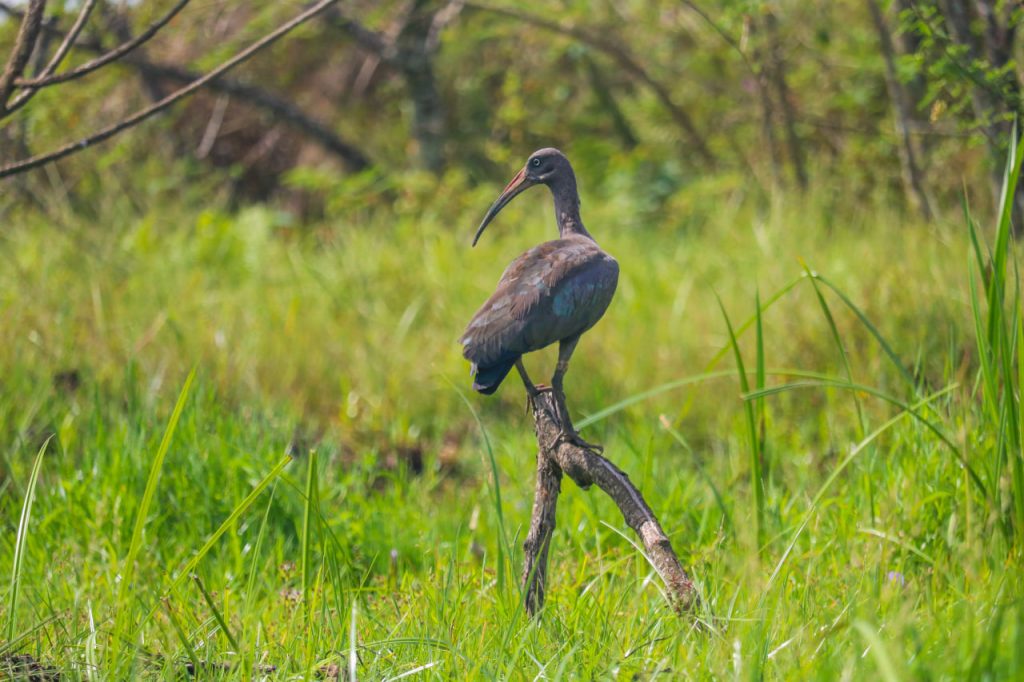
The Hadada ibis (Bostrychia hagedash) is one of sub‑Saharan Africa’s most familiar and charismatic birds. Its distinctive “haa‑haa‑haa‑de‑dah” call echoes through dawn and dusk skies, alerting birders and city dwellers alike to its presence. At Birdes Lens, we celebrate this resilient species not only for its ecological role but also for its place in African cultural landscapes.
1. Identification & Behavior
- Size & Shape
- Length: 65–75 cm (25–30 in).
- Slender, scimitar‑shaped bill with a faint red stripe at the base.
- Broad, rounded wings that, in flight, reveal a subtle bronze‑green iridescence.
- Distinctive Call
- Gives the ibis its common name: a loud, multi‑note cry used during morning departures from communal roosts and evening returns.
- Social Structure
- Often seen in small flocks or family groups, foraging together in open grasslands, gardens, and farm fields.
2. Habitat & Range
- Geographic Distribution
- Widespread across sub‑Saharan Africa, from Senegal in the west to Ethiopia and Kenya in the east, and southward to South Africa.
- Introduced populations exist on the Malay Peninsula.
- Preferred Habitats
- Adaptable: thrives in wetlands, savannas, cultivated farmland, suburban parks, school grounds, and even golf courses.
- Less water‑dependent than other ibises, it forages confidently on lawns and sports fields.
3. Diet & Foraging
- Feeding Technique
- Probes soft soil with its long bill, detecting prey by touch.
- Primary Foods
- Earthworms form the bulk of its diet.
- Also consumes insects (beetle and moth larvae), snails, and occasionally small amphibians.
- Ecosystem Services
- Valued on golf greens and bowling lawns for controlling root‑feeding larvae, thus reducing chemical pesticide use.
4. Breeding & Calls
- Nesting Habits
- Builds bulky stick nests high in trees, often in colonies alongside herons and other waterbirds.
- Clutch size typically 2–4 eggs; both parents incubate and rear the young.
- Vocal Repertoire
- Aside from its namesake cry, has softer grunts and squeaks used within the nest or among close flock members.
5. Interactions with Humans
- Urban Neighbors
- Commonly integrates into towns and cities—its morning calls have become part of the urban soundscape in Nairobi, Kampala, and beyond.
- Conservation Status
- Classified as Least Concern by the IUCN, due to its broad range and adaptability.
- Birdes Lens Tip
- Early-risers: plan pre‑dawn walks in Mabira Forest or Mabamba Swamp for prime Hadada listening.
6. Cultural Significance
- Folklore & Beliefs
- In some communities, the Hadada’s dawn call is regarded as an omen of rain—its return to roosts signaling a shift in weather.
- Featured in local art and storytelling as a symbol of vigilance and adaptability.
7. Conservation & Eco‑Tourism
While widespread and numerous, the Hadada ibis benefits from habitat protection and reduced pesticide use. Birdes Lens eco‑tours to Murchison Falls or Queen Elizabeth National Park offer prime opportunities to observe these ibises in both wild and human‑shaped landscapes, highlighting the harmony between local communities, conservation efforts, and unforgettable birding experiences.
Ready to hear the “de‑dah” at dawn?
Join Birders Lens on your next eco‑adventure, explore, discover, and experience Africa’s iconic birds up close!