
The Pied Crow: A Familiar Bird Worth Understanding

The Pied Crow is one of the most widespread and easily recognized birds across Uganda. Medium to large in size, it is distinguished by its glossy black head, wings, and tail, contrasted with a bold white chest and collar, a pattern that makes it stand out even at a distance. Its call is a deep, deliberate “caw,” often heard before the bird is seen.
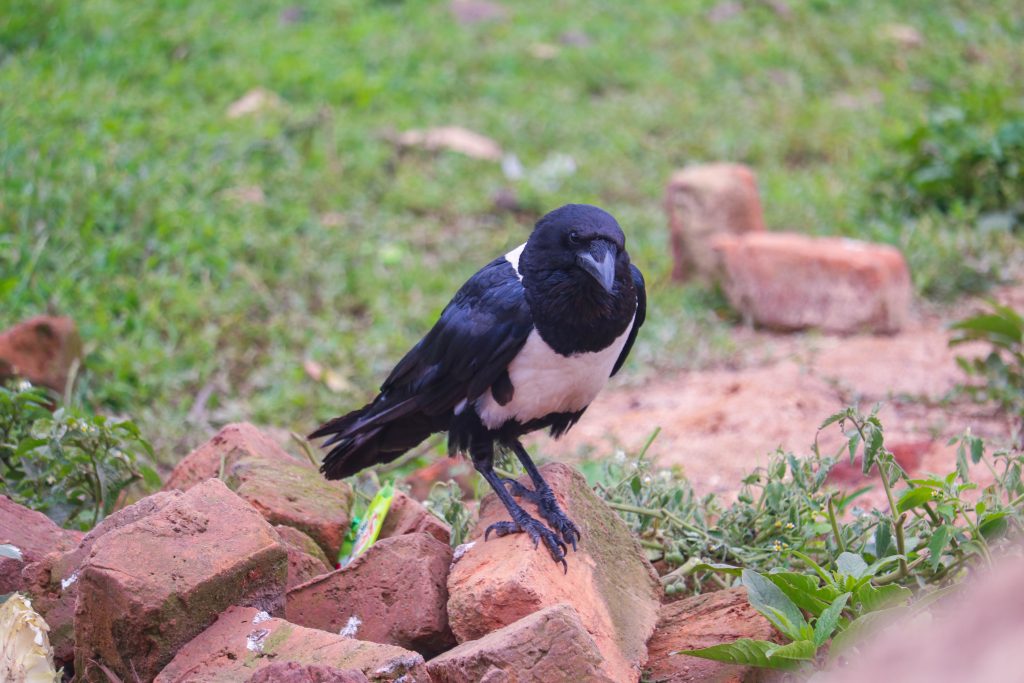
Across Uganda’s diverse cultures, this bird is widely known and named in local languages:
- Luganda: Namungoona
- Runyankole/Rukiga: Ekikoona
- Lusoga: Namung’oona
- Acholi/Lango: Agak
- Ateso: Ekuruk
- Swahili: Kunguru
While names may vary slightly by region and dialect, one thing is consistent—the Pied Crow is a bird people notice, remember, and often talk about.
What Makes the Pied Crow So Successful?
This is a bird that thrives because it pays attention.
- It learns fast: Pied Crows quickly understand patterns, where food is found, where danger exists, and which human activities are harmless.
- It adapts easily: Whether in remote savannahs or busy urban centers, it finds ways to survive.
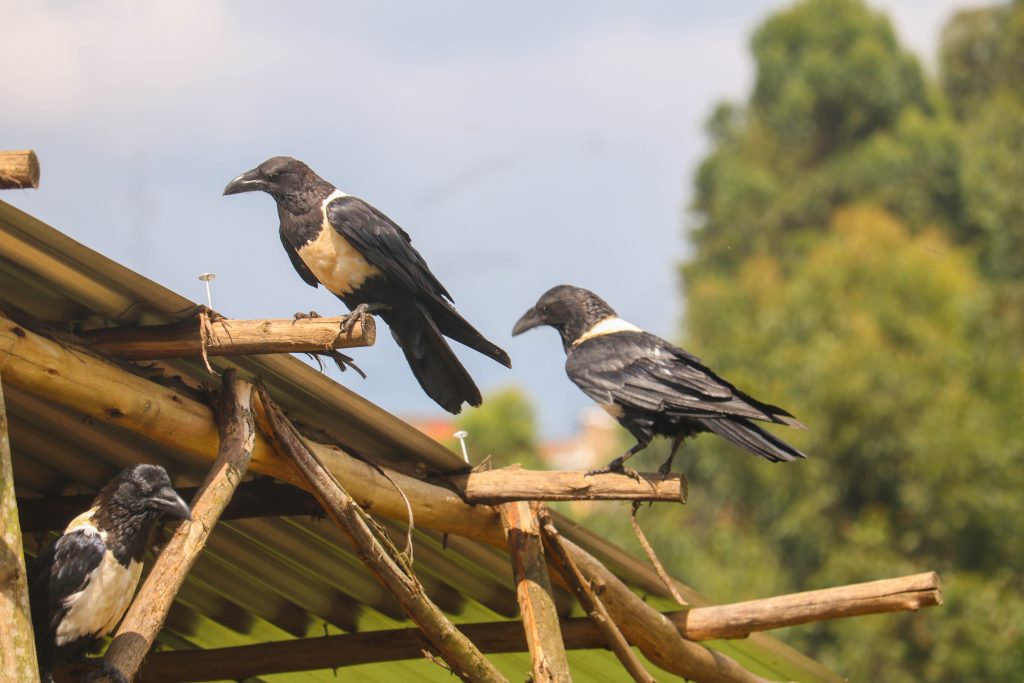
- It uses height wisely: Trees, rooftops, and even telecom masts are not random choices, they offer safety and a clear view.
- It eats almost anything: From insects to leftovers, it wastes no opportunity.
In short, this is a strategist, not just a scavenger.
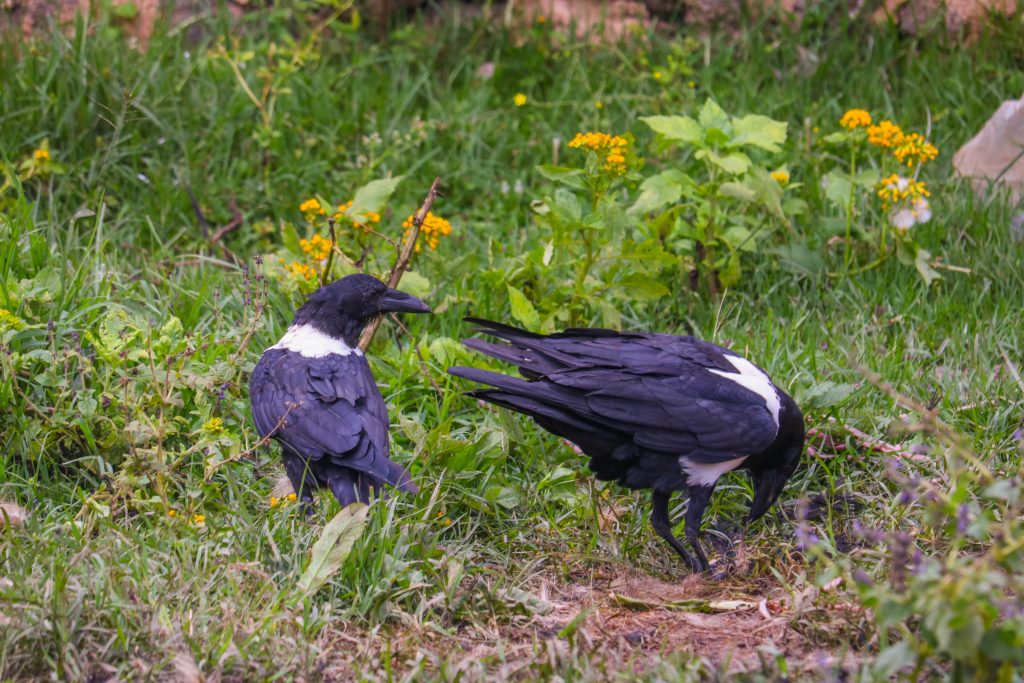
Interesting Insights from the Field
Over time, repeated observation reveals details most people miss:
- They recognize disturbance patterns: If you interfere with a nest once, they remember and adjust their behavior around you.
- They are protective, not aggressive: What many call “attacks” are simply defensive reactions during breeding.
- They are part of nature’s cleanup system: By feeding on carrion and waste, they quietly maintain environmental balance.
- They communicate with purpose: Their calls signal warning, territory, or coordination—not noise.
Understanding these points changes perception immediately.
Why Do Conflicts Happen?
Let’s be direct, conflict usually starts on our side.
Common triggers include:
- Getting too close to nests, especially when chicks are present
- Poor waste management attracting them in large numbers
- Feeding them, intentionally or unknowingly
- Working in their space without awareness
The crow reacts. It doesn’t initiate.
How to Avoid Problems (Simple, Practical, Effective)
1. Give Nests Space
If you come across a nest:
- Keep a respectful distance
- Avoid sudden movements or loud activity
- Never attempt to interfere
During breeding, even the calmest bird will defend its young. That’s instinct, not aggression.
2. Control Food Sources
Where there is easy food, there will be crows.
- Dispose of waste properly
- Avoid leaving food scraps exposed
- Keep work areas clean
This single step reduces most unwanted encounters.
3. Do Not Feed Them
It may feel harmless, but it creates long-term problems:
- They become dependent on humans
- Their natural behavior shifts
- They begin approaching people more frequently
Feeding today leads to conflict tomorrow.
4. Be Aware in the Field
For those working outdoors, Engineers, Guides, Researchers:
- Always scan your surroundings before starting work
- Identify nesting points, especially on high structures
- Adjust your approach where necessary
A few seconds of awareness prevents unnecessary disturbance.
5. Stay Composed if Approached
If a crow vocalizes or comes close:
- Move away calmly
- Avoid reacting aggressively
- Do not linger near nesting areas
Escalation only reinforces defensive behavior.
A Balanced Perspective
There is a tendency to label adaptable species like the Pied Crow as “too much” or “problematic.” That view misses the bigger picture.
This bird is thriving because:
- Human environments provide food
- Structures offer nesting sites
- Natural habitats are changing
It is not expanding randomly, it is responding to opportunity.
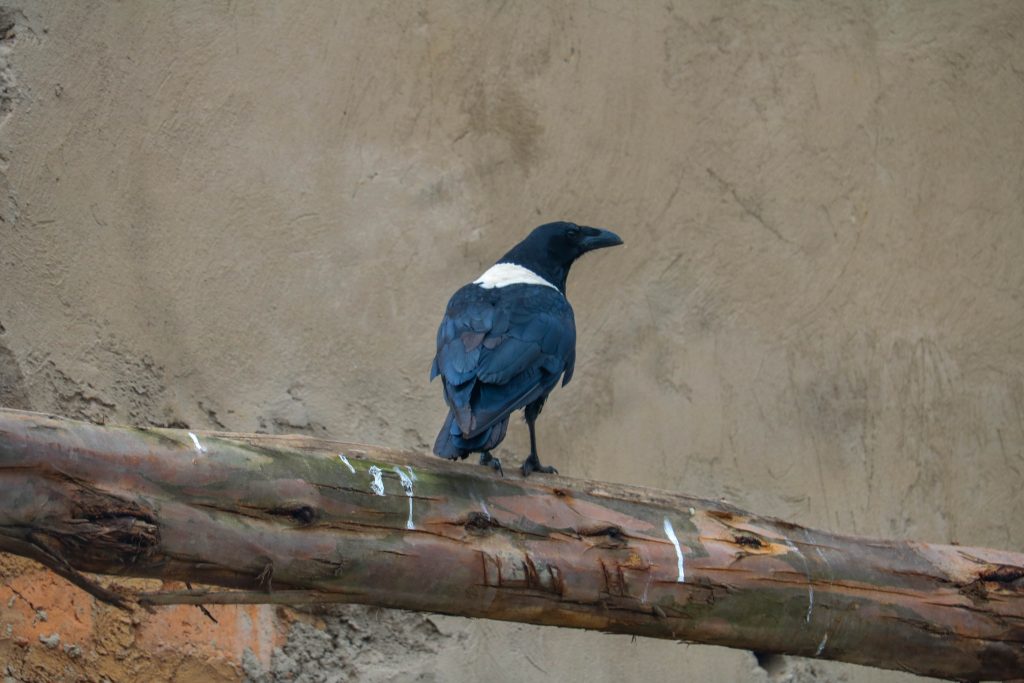
In conclusion, the Pied Crow is not a bird to be controlled, it is one to be understood. With a bit of awareness and a disciplined approach, coexistence becomes straightforward. In fact, it becomes effortless.
From years in the field, the conclusion is simple: Respect their space, manage your environment, and there will be no conflict. That is not theory, it is practice.


vidalista 5mg tablet
vidalista 5mg tablet
cenforce reviews
cenforce reviews
loperamide 2mg capsules
loperamide 2mg capsules
vidalista 80mg price
vidalista 80mg price
var finns semaglutid naturligt
var finns semaglutid naturligt