
Field Visit Report: Ecotourism and Conservation Product Development on Koome Island, Mukono District

Birders Lens undertook a strategic field visit to Koome Island, located in Mukono District on Lake Victoria, Uganda’s largest freshwater lake and the second largest freshwater lake in the world. The visit followed a formal invitation to participate in a field-based assessment focused on developing sustainable ecotourism products, with birding and conservation positioned as anchor pillars.
This engagement was spearheaded jointly by UWEC-CA, JICA, and Chubu University, bringing together conservation practitioners, academic expertise, and tourism operators with the shared objective of designing community-centered, conservation-driven tourism models that are both environmentally responsible and economically viable.
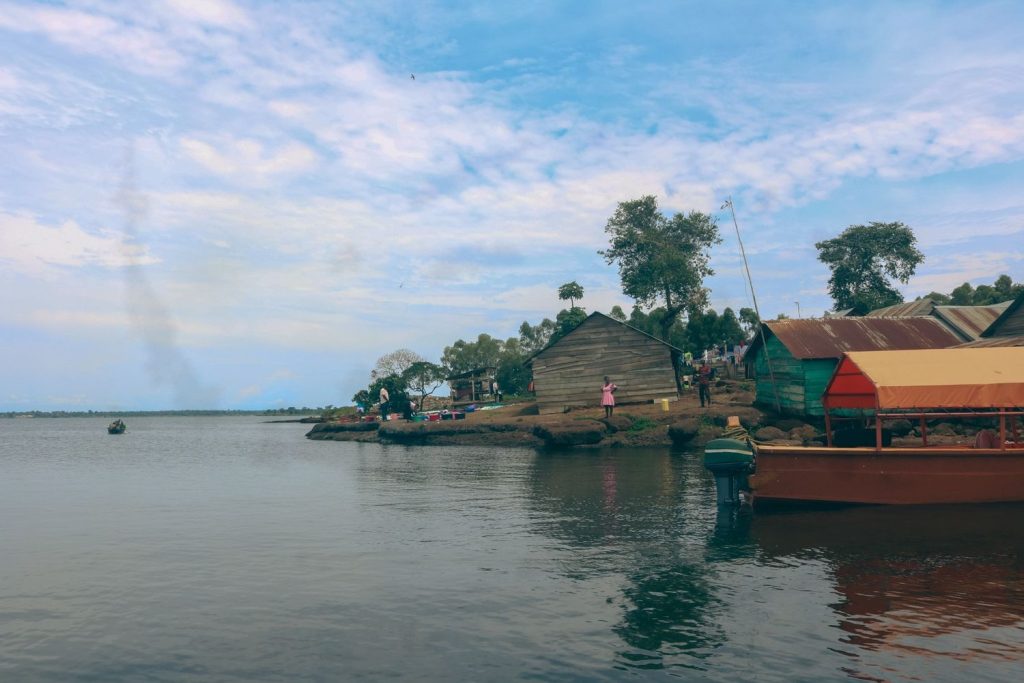
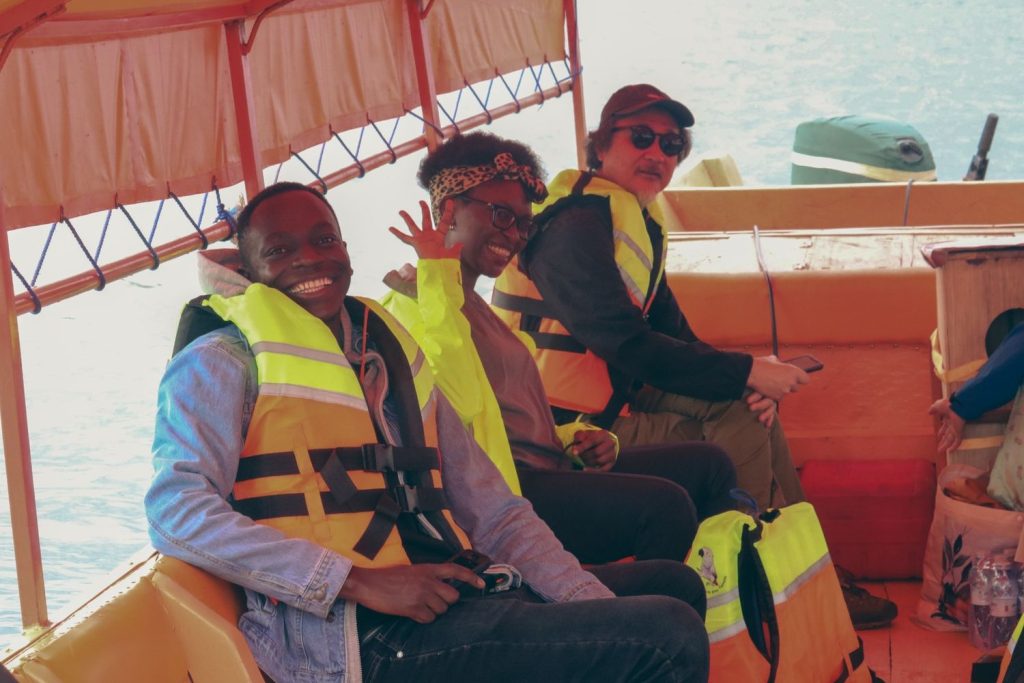
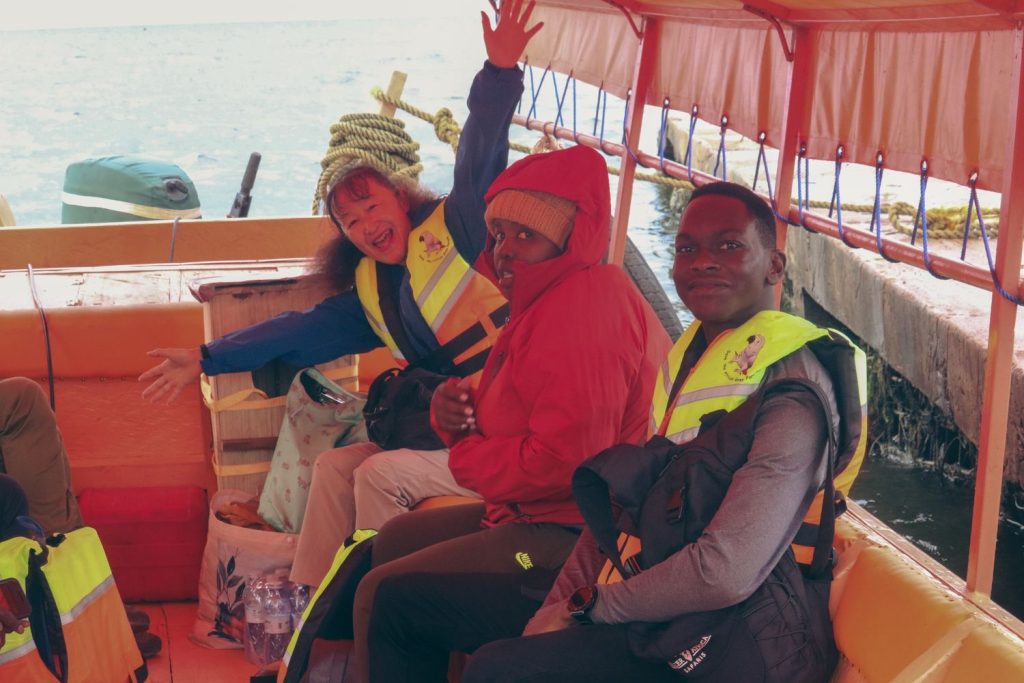
Koome Island: History, Identity, and Tourism Potential
Koome Island holds both ecological and historical significance within Lake Victoria’s island system. The island’s name is derived from the Luganda word “Kikoomera,” meaning “prison.” Historically, the island was used as a place of isolation and confinement, particularly during earlier periods of local governance. Over time, the term evolved linguistically, and Kikoomera became Koome, the name by which the island is known today.
This layered history gives Koome Island a distinctive narrative, one that contrasts its past as a place of restriction with its present identity as a landscape of freedom, biodiversity, and community resilience. The island is neighbored by several smaller islands, creating an interconnected ecological zone that supports rich birdlife and traditional fishing livelihoods.
From a tourism perspective, Koome Island offers strong potential for:
- Guided birding and forest nature walks
- Lake Victoria boat cruises and water-based birding
- Cultural interactions and storytelling experiences
- Community performances and youth projects
- Conservation education and research-based tourism
- Local cuisine and small-scale hospitality experiences
These assets position Koome Island as a destination suited for low-impact, high-value ecotourism.
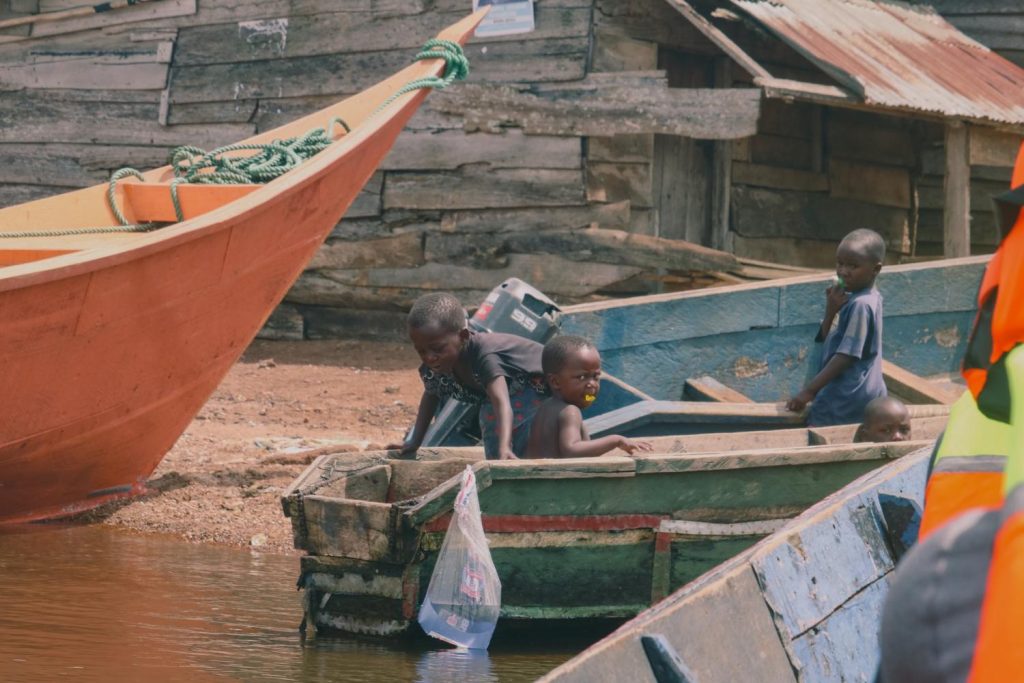
Access and Lake-Based Birding Experience
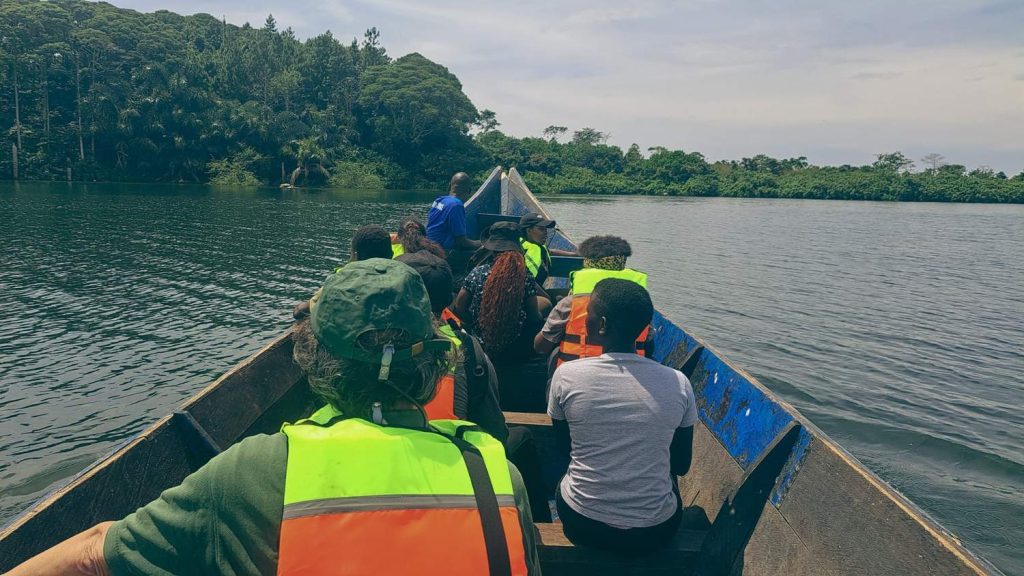
The team set off from Gerenge Landing Site in Garuga, traveling by boat across Lake Victoria to Koome Island. The lake crossing doubled as an important birding and ecological observation exercise.
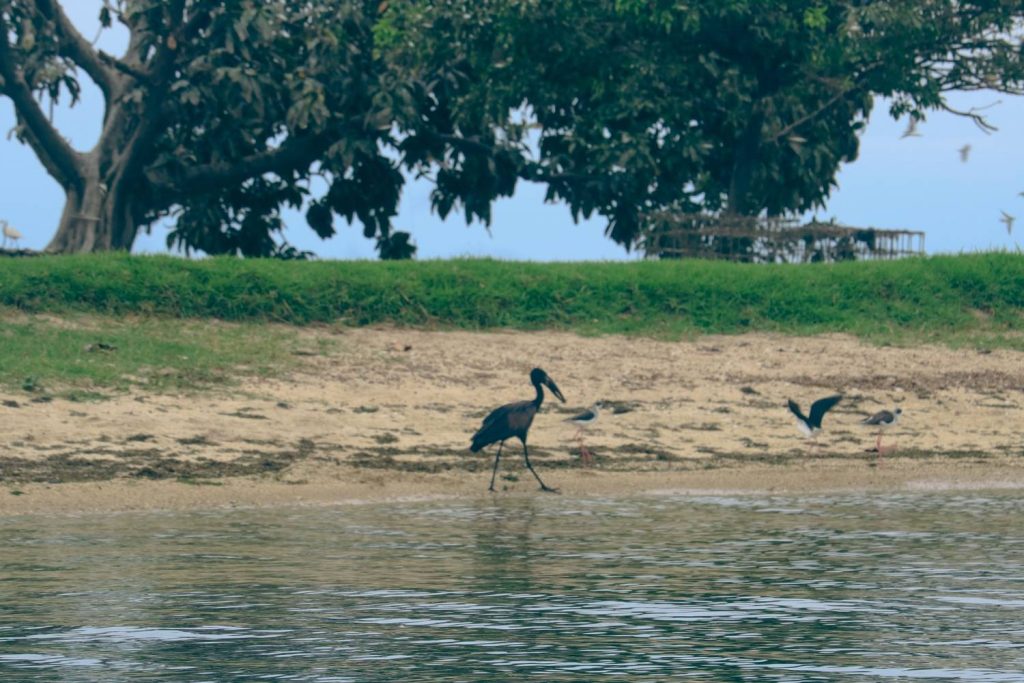
Bird species sighted during the journey included:
- Great Cormorants
- Reed Cormorants
- Glossy Ibises
- African Openbill
- Yellow-billed Storks
- African Swifts
- Angola Swallow
- House Martins
- Lesser-striped Swallows
- Squacco Heron
- Purple Heron
- Striated Heron
These observations further demonstrated the viability of boat-based birding excursions as a core tourism product for the island.
Community Reception and Forest Nature Walk
Upon arrival on Koome Island, the team was warmly received by local guides, Mabel and Dora, who provided a comprehensive briefing on the island, safety considerations, and the surrounding forest ecosystem. This structured introduction reflected growing local capacity for professional guiding and visitor management.
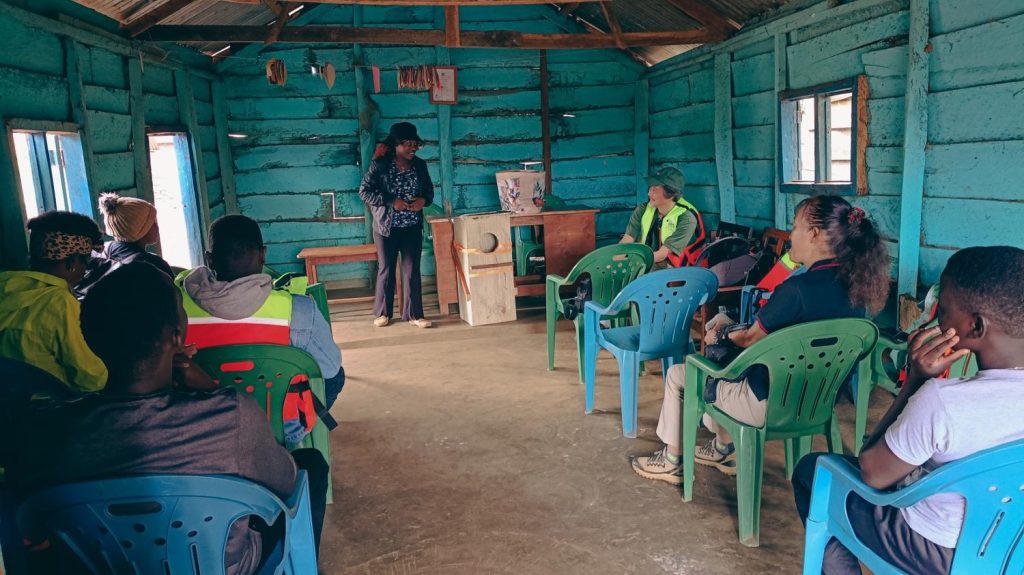
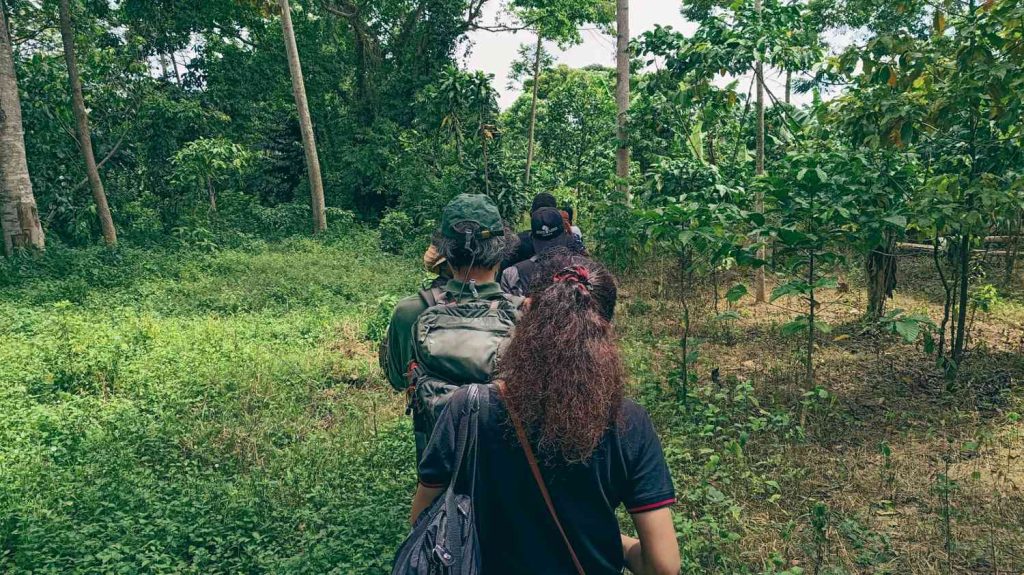
Following the briefing, a guided nature walk through Koome Island’s forested areas was conducted. The walk yielded strong birding outcomes and reinforced the ecological importance of the island’s remaining natural habitats.
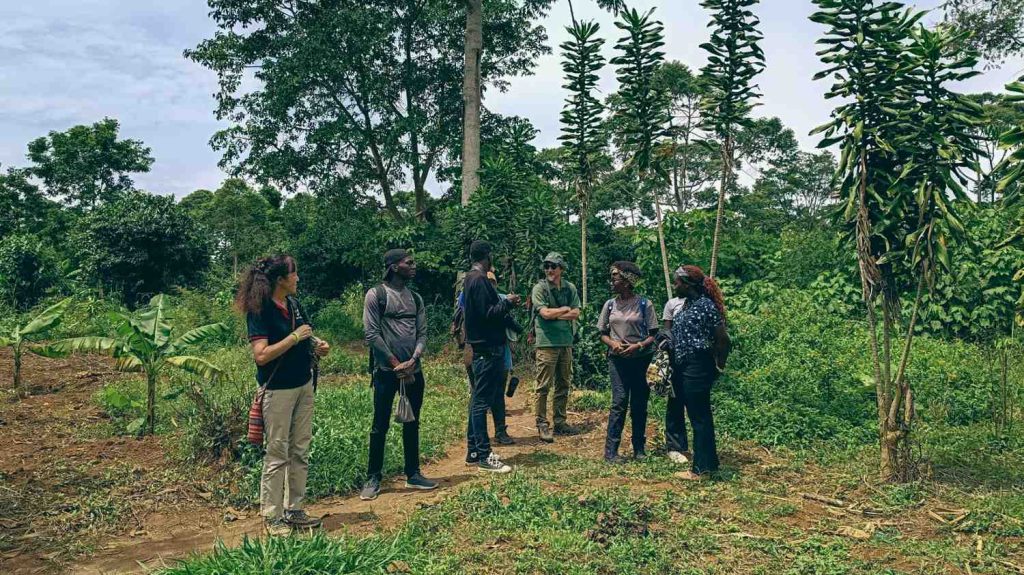
Key species recorded or heard included:
- Black-and-white Casqued Hornbill
- White-throated Bee-eaters (heard and later sighted)
- Green-backed Camaroptera, observed in high numbers
- Common Hoopoe
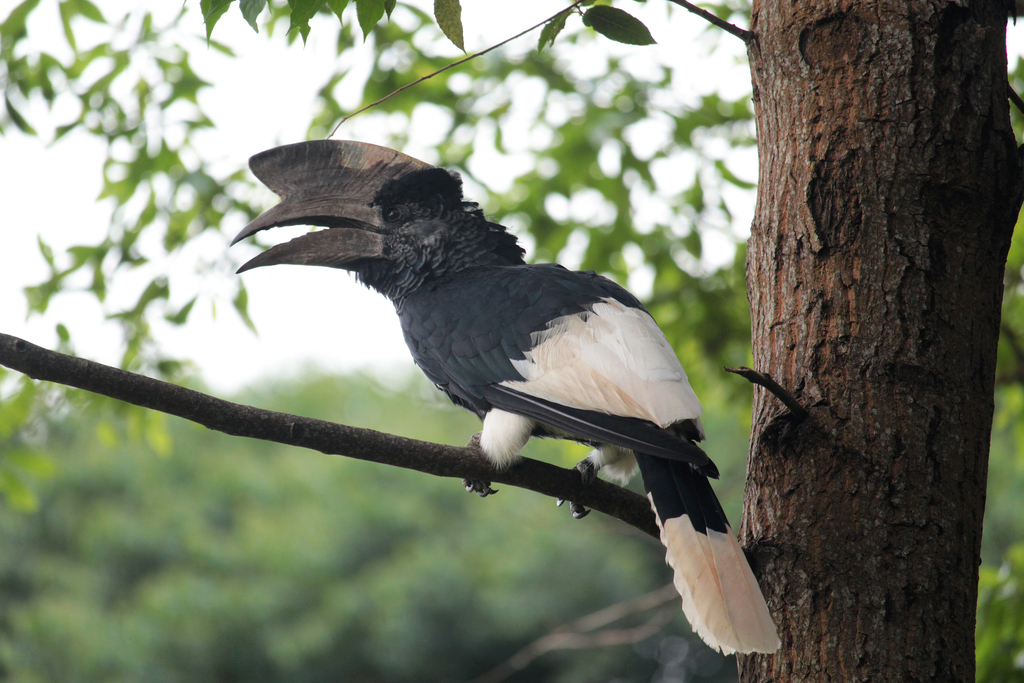
© Thomas Desloges
Combined with lake sightings, the day’s activities resulted in the recording of approximately 30–35 bird species, confirming Koome Island’s suitability as an emerging birding destination.
Community Hospitality and Cultural Engagement
After the morning nature walk, participants shared a community-prepared meal, featuring fresh fish from Lake Victoria, accompanied by sweet potatoes and other local dishes. The meal highlighted the island’s readiness to integrate local food systems into the tourism experience.
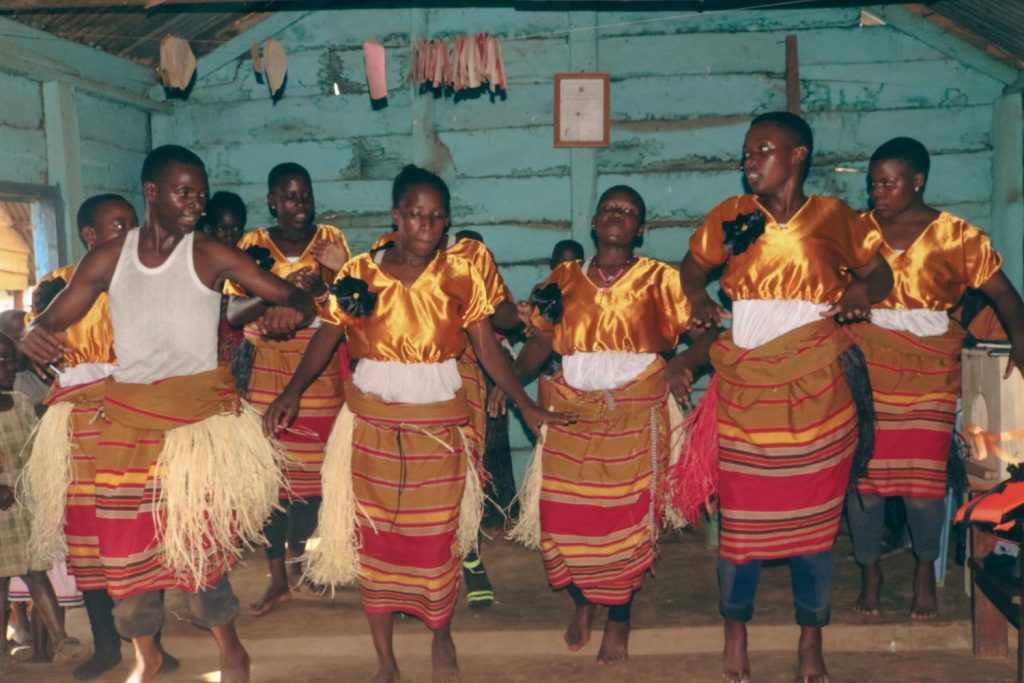
A cultural highlight of the visit was a performance by the Destiny Girls Foundation, one of the island’s most impactful community initiatives. The performance showcased creativity, discipline, and social purpose, presenting a clear opportunity to link cultural tourism with youth empowerment and conservation education. Strategic support to such initiatives through tourism partnerships could play a meaningful role in improving opportunities for children and young people on the island.
Partnerships and Acknowledgements
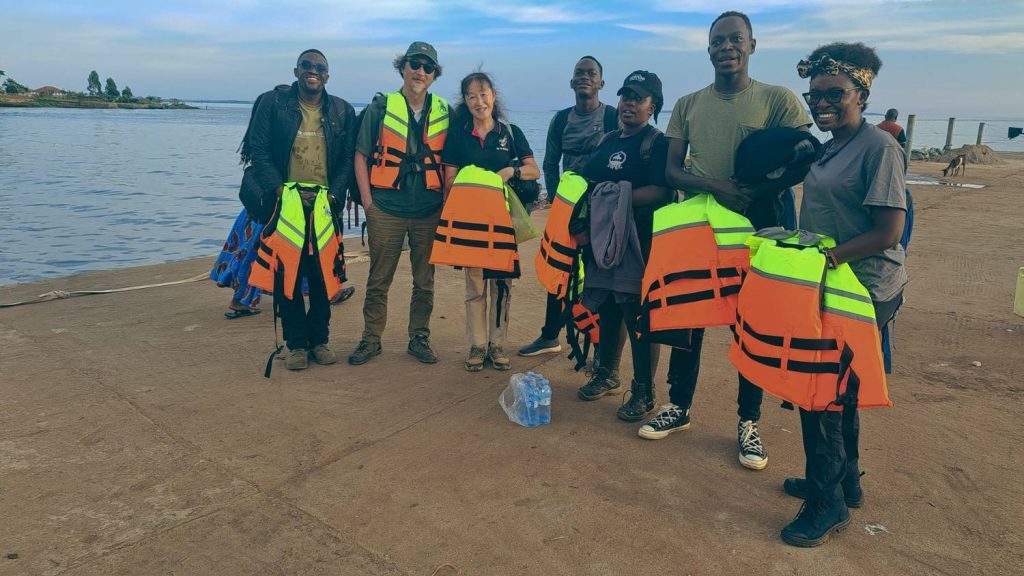
Sincere appreciation is extended to all contributors to the visit:
- Professor Dr. Ushida Kazunari, Chubu University (Japan)
- Ms. Kamada Akemi, Save the African Grey Parrot Project – UWEC-CA, representing JICA
- Ms. Dora Ayebare, Conservation Education Officer, UWEC-CA
- Michael and Herbert, Voyage Crafters
- Mabel and Dora, local guides from Zingola, Koome Island
- Ms. Rema, Manager, Karibu BB Suites, Entebbe, for hospitality-sector engagement
Conclusion and Strategic Outlook
This visit was deliberate and outcome-focused, laying the groundwork for conservation-aligned tourism development on Koome Island. The destination combines rich birdlife, compelling history, active community participation, and conservation relevance.
With disciplined partnerships, guide capacity building, and intentional product development, Koome Island can be positioned as a benchmark for inclusive, conservation-led island ecotourism on Lake Victoria. Birders Lens remains committed to advancing tourism models that honor heritage, safeguard biodiversity, and deliver lasting community value.
wish you best and best
Wish you happiness
yahoo,im go