Explore Entebbe: The Equator Experience on Lake Victoria

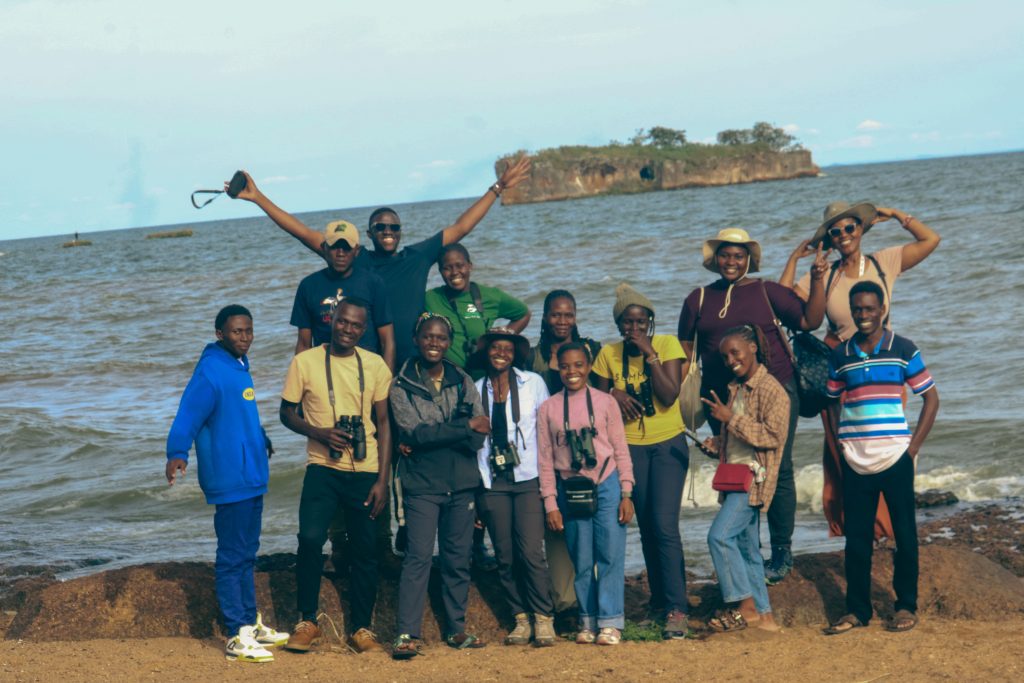
On Sunday 15th February 2026, Birders Lens proudly participated in the Explore Entebbe excursion organized by Linda Nakalema, known in birding circles as African Skimmer. Our attendance signified more than presence, it reinforced the value of collaboration within Uganda’s tourism fraternity. Supporting one another, sharing field knowledge, and building professional networks remain non-negotiable pillars for long-term industry growth.
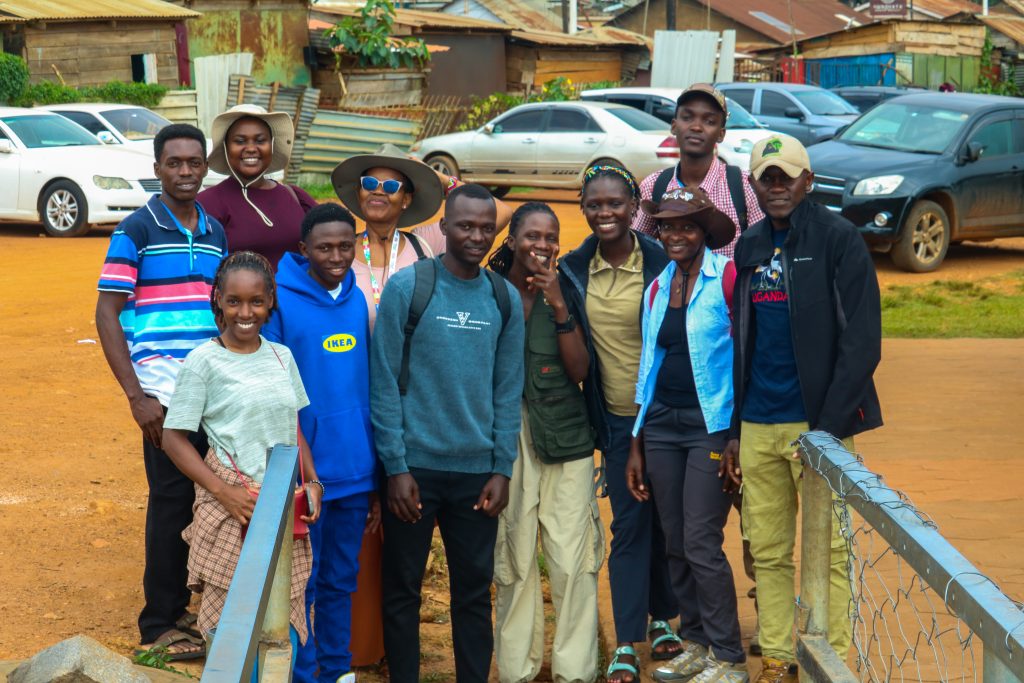
The day began at Nakiwogo Landing Site in Entebbe, where we assembled before setting off across Lake Victoria toward the Equator line. Light afternoon showers accompanied our journey, but they only enhanced the authenticity of the lakeside experience.
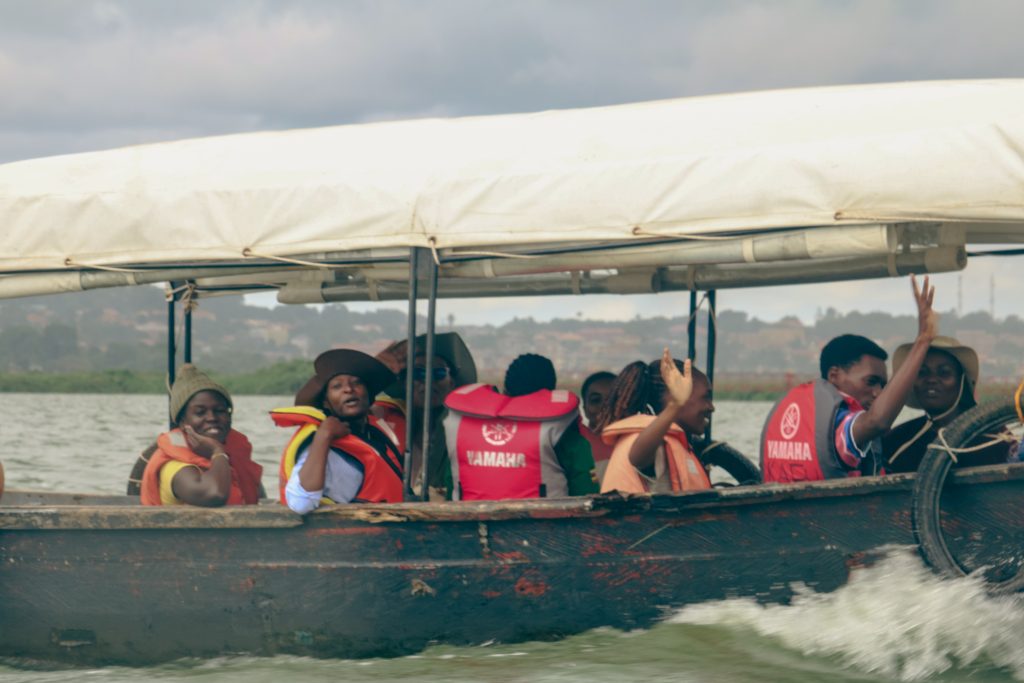
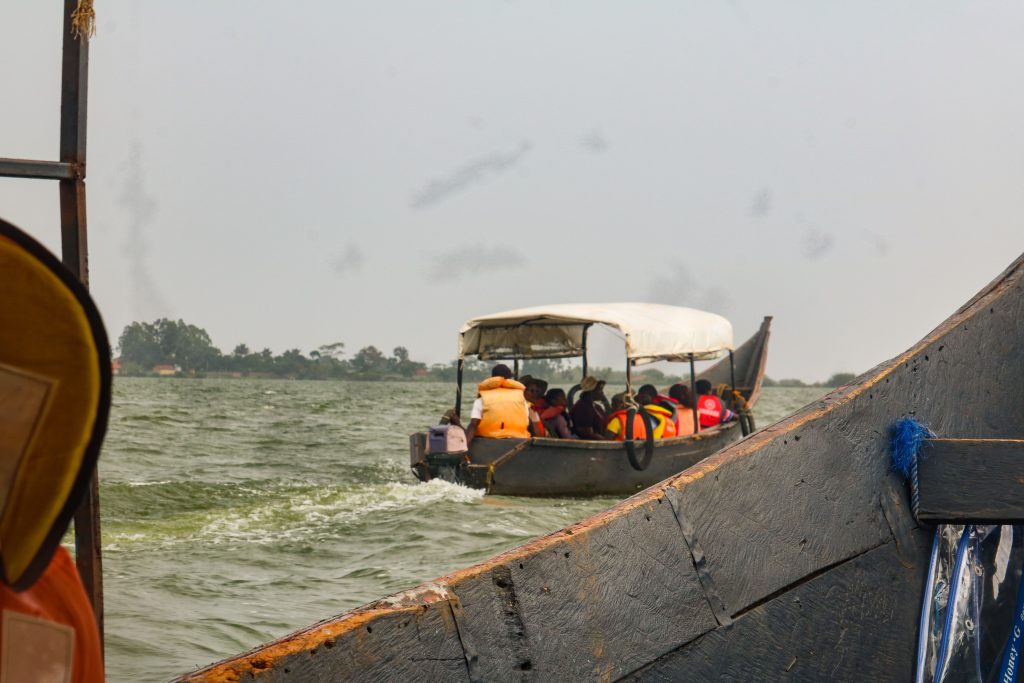
Lake Victoria which is the largest tropical freshwater lake in the world and shared by Uganda, Kenya, and Tanzania is a critical ecological asset. Its wetlands, islands, and open waters provide prime habitat for an impressive array of waterbirds.
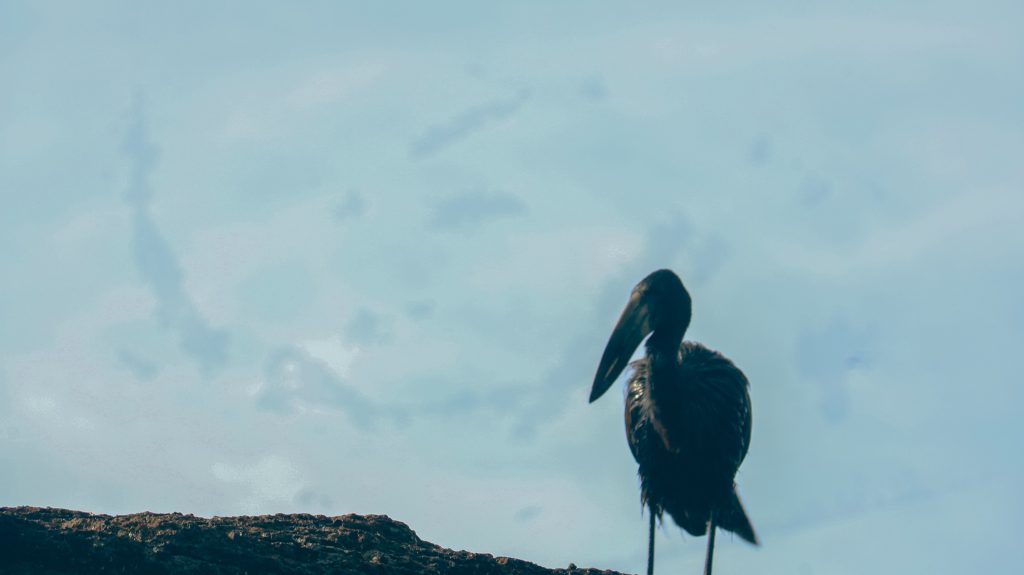
During our birding session, several notable species were sighted and recorded:
- The widespread Reed Cormorant, frequently observed perched on fishing structures and some dead trees while emerging from shallow dives.
- The larger and more commanding Great Cormorant, unmistakable in profile along open water stretches.
- Elegant flocks of Gull-billed Tern, patrolling the waters with steady, purposeful flight.
- The striking Black-headed Heron, standing tall along the shoreline.
- The stately Grey Heron, reinforcing the lake’s rich wader diversity.
- Multiple sightings of the energetic Pied Kingfisher, hovering expertly before plunging into the water, an enduring highlight for participants.
Additional water bird species added depth to the checklist, reflecting Lake Victoria’s role as a stronghold for both resident and migratory birds.
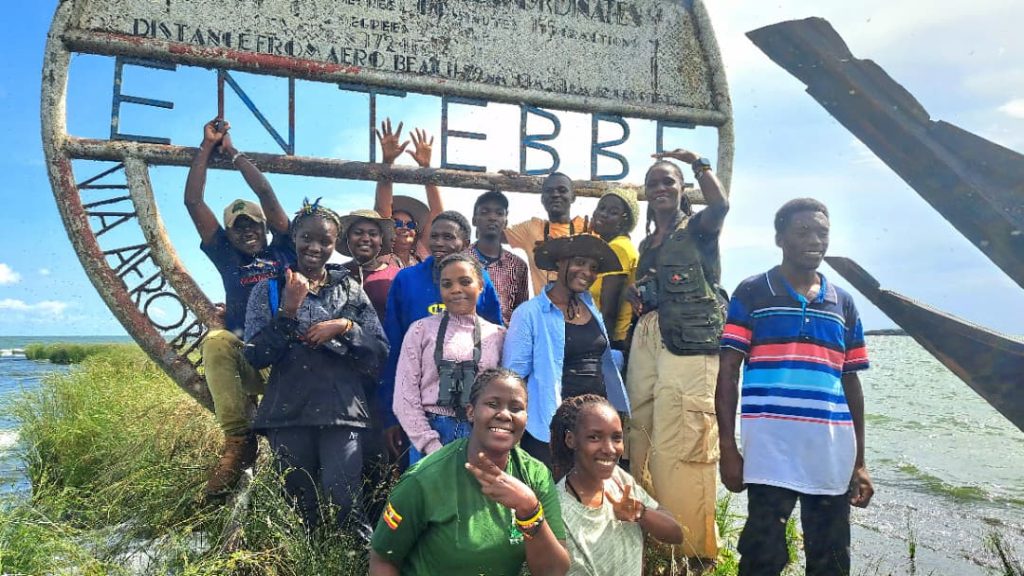
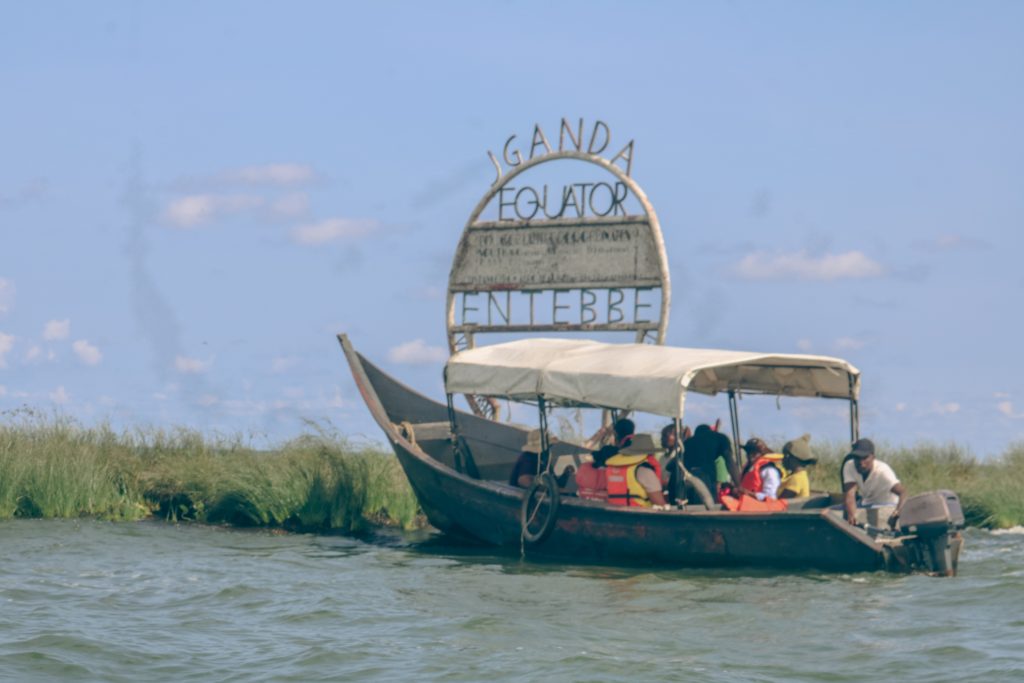
At Entebbe Za Mugula, our cultural immersion was equally enriching. A knowledgeable local guide delivered insights into Entebbe’s historical roots through an engaging and interactive approach. The blend of geography, heritage, and biodiversity strengthened the overall learning experience.
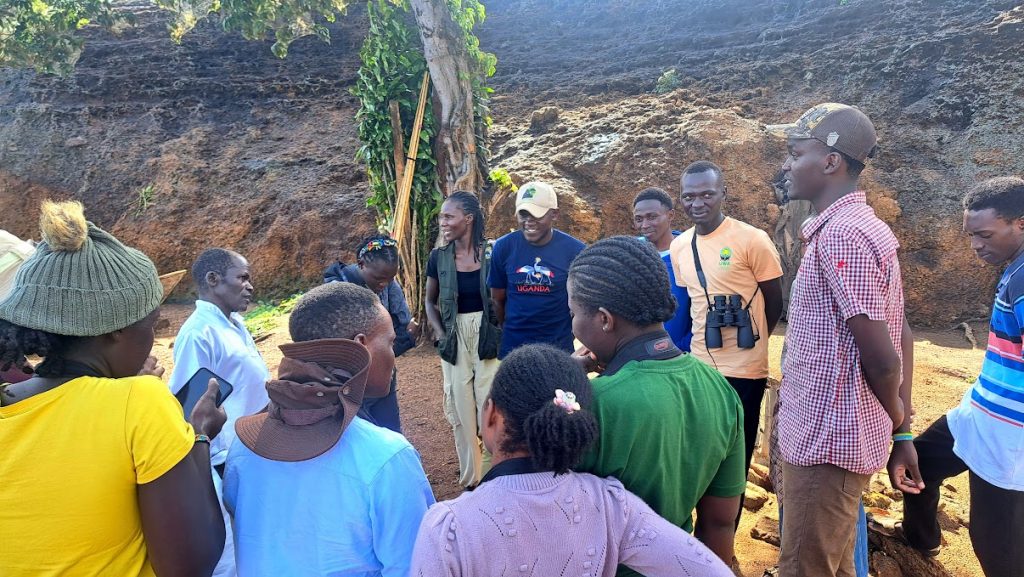
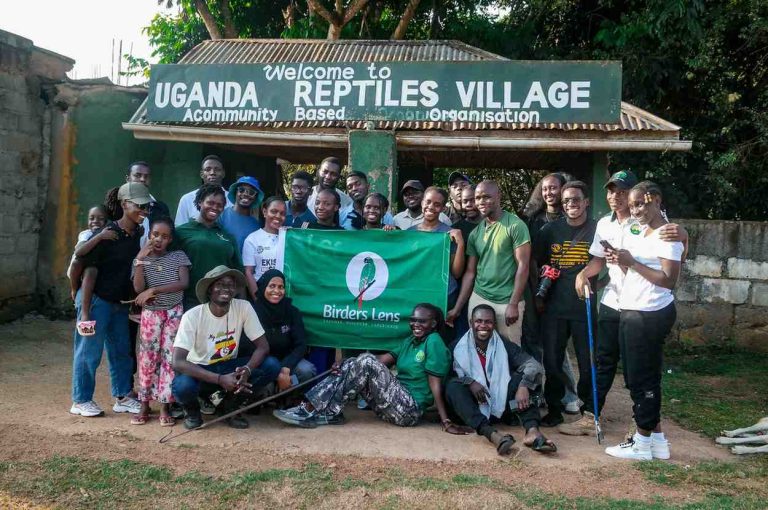
A memorable team-building moment followed, where each participant revealed their chosen “bird nickname,” reinforcing camaraderie within the birding community and strengthening bonds among returning members of the Reptile Studycation Program and new participants.
Explore Entebbe was not simply a field outing. It was a demonstration that collaboration drives excellence. When tourism professionals unite, exchange expertise, and elevate one another, the destination as a whole becomes stronger, more credible, and globally competitive.