Celebrating World Parrot Day: Why the African Grey Parrot is More Than a Bird to Us

Every year, May 31st marks World Parrot Day, a time to reflect on the brilliance, beauty, and vulnerability of parrots around the globe. For us here in East Africa, and particularly in Uganda, this day isn’t just about celebrating these remarkable birds, it’s about honoring a symbol that resonates deeply with our natural heritage: the African Gray Parrot.
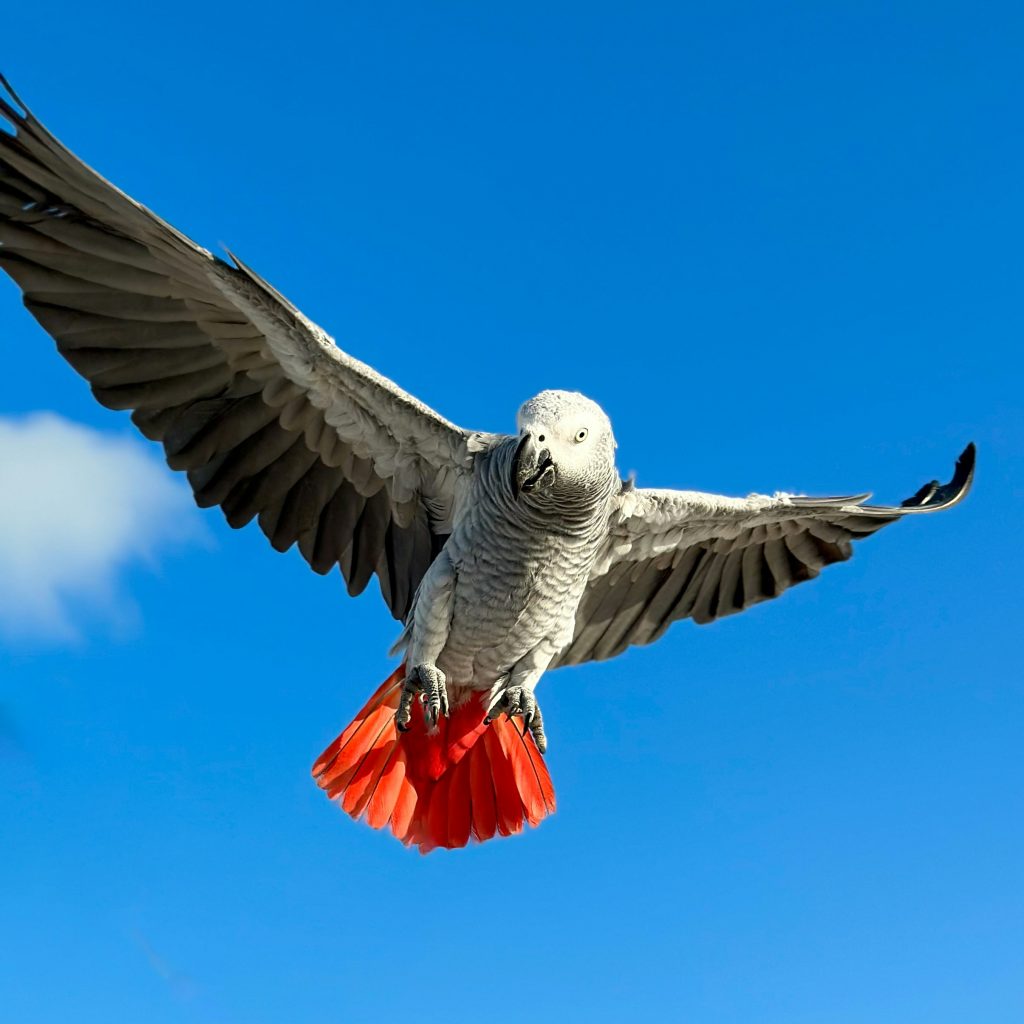
The African Gray Parrot is more than feathers and flight. It’s a symbol of intelligence, elegance, and endurance. We chose it as our emblem not just for its unmatched mimicry skills or smoky-grey plumage with that striking red tail — but because it reflects something essential about our region: a voice that speaks, a presence that connects. These parrots are incredibly social and expressive, just like our communities. Their ability to communicate and build strong bonds mirrors the interconnectedness of our ecosystems and our people.

But the African Gray is also a reminder of fragility. Listed as Endangered, it faces threats from habitat loss and illegal pet trade. By choosing it as our emblem, we pledge to raise awareness and stand for its protection not just in Uganda, but across its native range in Africa.
Uganda: A Parrot Lover’s Paradise
If you’ve never been birding in Uganda, World Parrot Day is the perfect excuse to start dreaming — and planning. With over 1,070 bird species, Uganda is a compact treasure trove of biodiversity. And for parrot lovers? It’s paradise.
In Uganda’s ancient forests like Mabira, Budongo, and the lush canopy of Kibale National Park, you might hear the piercing call or catch a flash of grey and red as an African Grey Parrot glides overhead. There’s nothing like the thrill of seeing them in the wild, where they belong, free and vocal amidst towering fig trees and sunlight-dappled leaves.
But Uganda doesn’t stop with the Gray. We’re also home to other remarkable psittacines:
Meet the Other Parrots of East Africa
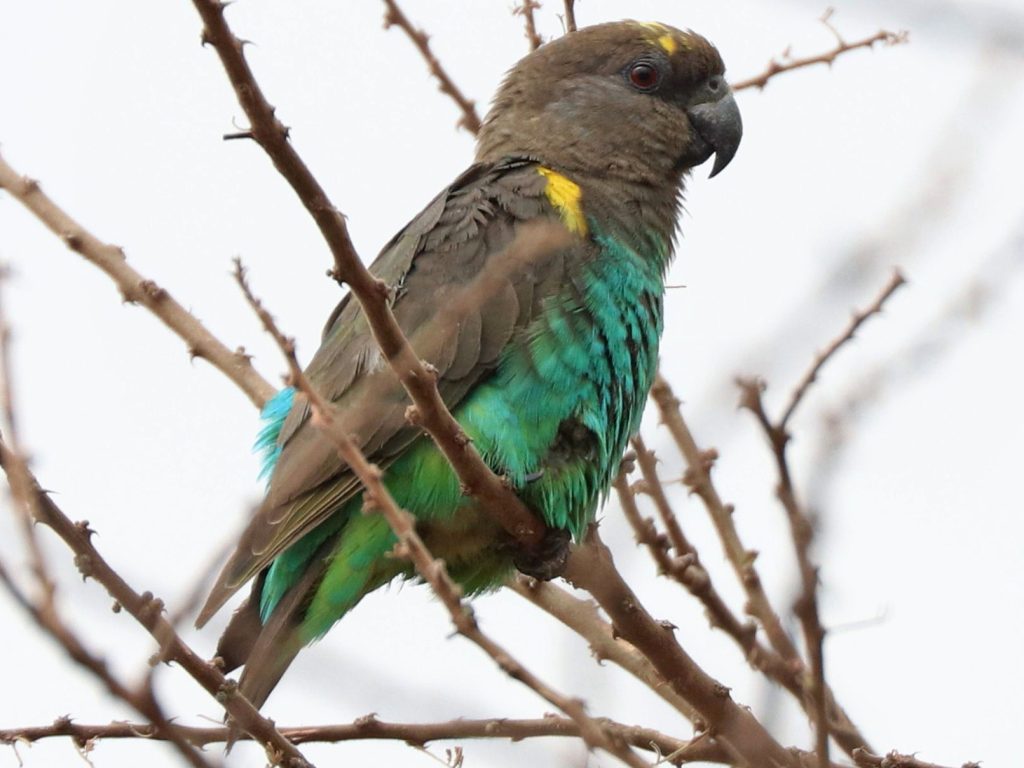
Meyer’s Parrot (Poicephalus meyeri)
Often overlooked, this quiet gem thrives in woodlands and savannas. In Uganda, they’re found in Murchison Falls National Park and Kidepo Valley, extending into northern Tanzania and southern Kenya. With their turquoise belly and yellow shoulder patches, they bring a splash of surprise to dry landscapes.
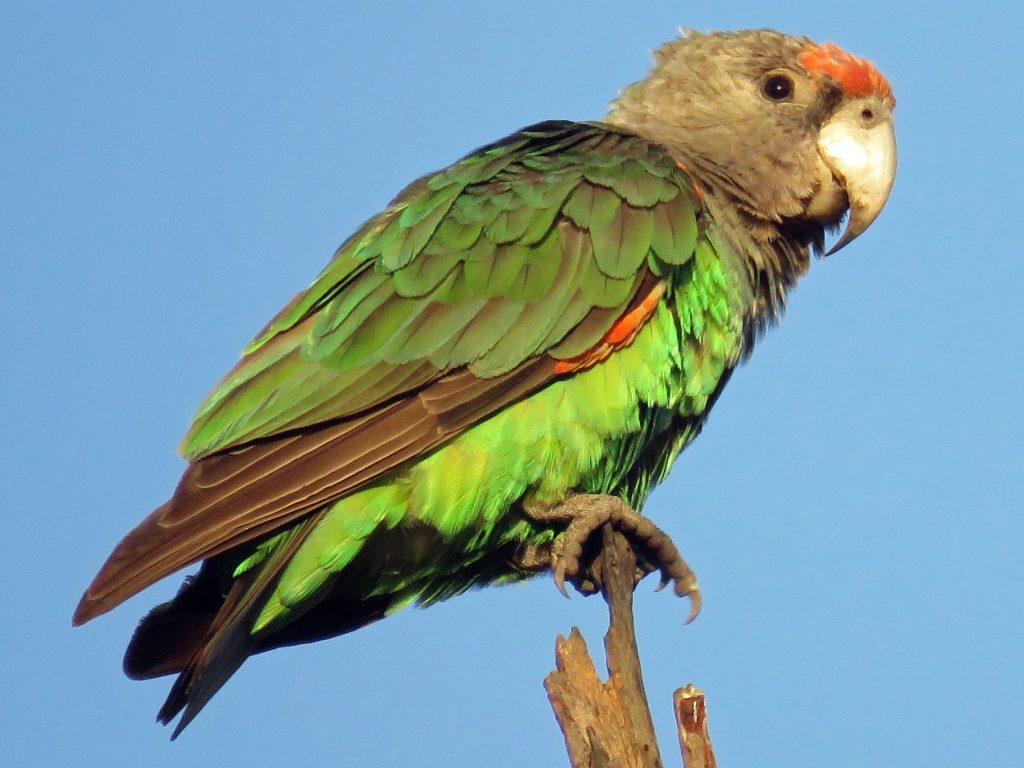
Brown-necked Parrot (Poicephalus fuscicollis)
More elusive than its cousins, the Brown-necked Parrot favors dry woodlands and open forest zones. Its range includes parts of Tanzania, especially in the Miombo woodlands. Though harder to spot, their soft brown nape and bold personality make them unforgettable for those lucky enough to find them.
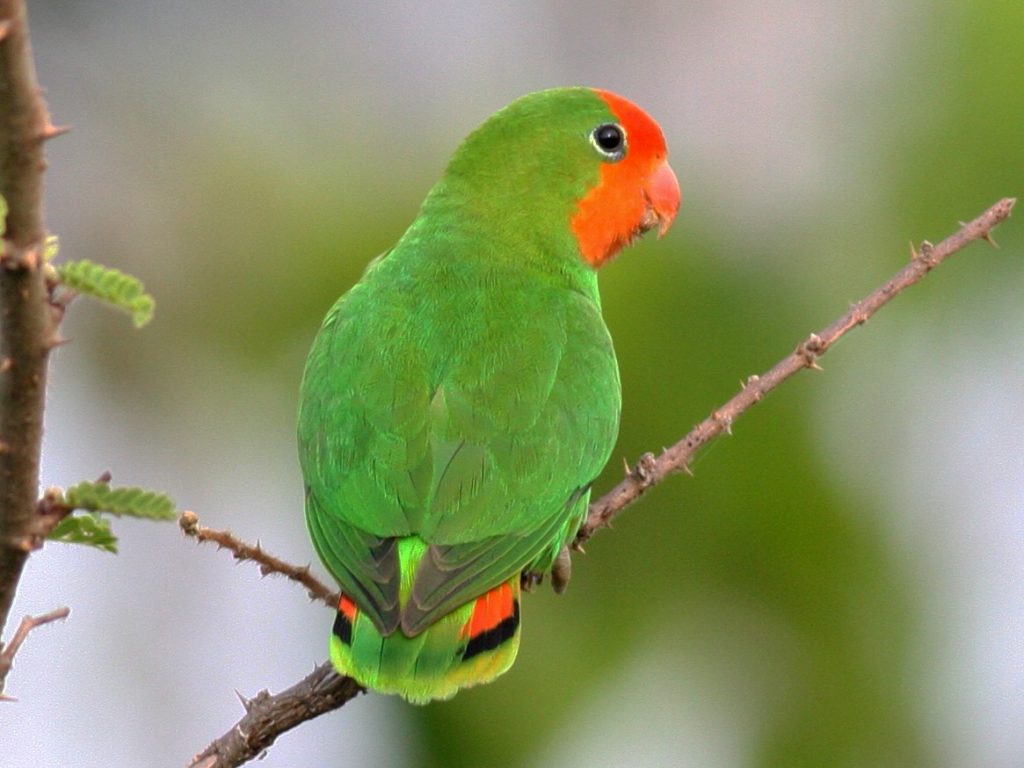
Red-headed Lovebird (Agapornis pullarius)
A burst of color and energy, this small parrot — vivid green with a crimson head — is found across eastern Uganda, western Kenya, and parts of northern Tanzania. Lovebirds are a joy to watch as they forage in pairs, reinforcing their lifelong bonds.
Come See Them for Yourself
Uganda is not just a destination; it’s an experience for the soul. If you’re a birder, a nature lover, or someone curious about the natural wonders of Africa, let World Parrot Day be your call to action.
Walk beneath the canopy where parrots chatter above. Let their calls echo through your binoculars and into your heart. Understand why we fight for them, why we cherish them, and why we chose one — the African Grey — to be the symbol of our voice for conservation.
Come visit Uganda. The parrots are waiting.