World Elephant Day; The Numbers, the Names, and the Nobility

Every August 12, the world pauses to honor one of nature’s greatest marvels, the elephant. Majestic, intelligent, and emotionally complex, elephants are more than just icons of the wild. They are ecosystem engineers, cultural symbols, and indicators of a healthy planet. Yet behind their grandeur lies a sobering truth: elephant populations have seen dramatic changes, declines in much of the world, and recovery in places like Uganda.

The Global Picture: Decline with Glimmers of Hope
A century ago, Africa likely hosted over 1.3 million elephants. Today, only around 415,000 remain — a 70–75% decline. African forest elephants have suffered the worst, with numbers plummeting by up to 90%, while savanna elephants have declined by about 70%, giving an average drop of 77% across much of the continent.
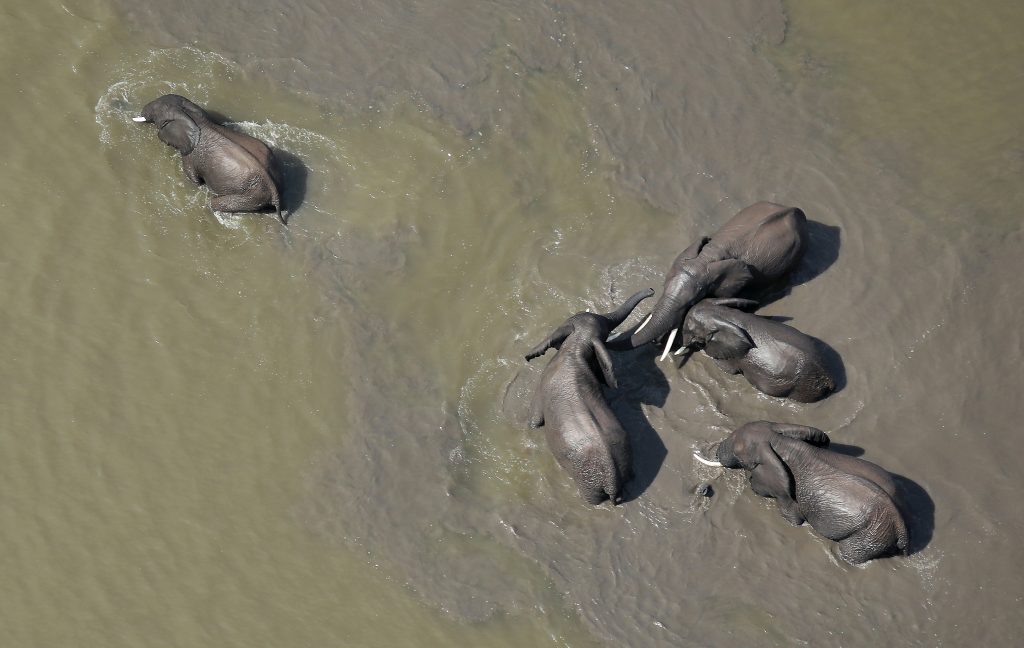
Globally, estimates suggest we may have only 400,000 elephants left by 2025 if current trends persist. These declines are driven by poaching, habitat loss, and human–wildlife conflict, particularly in regions with weak protection measures.
Uganda’s Elephant Story: From Collapse to Recovery
Uganda offers a rare conservation success. In the 1980s, the country’s elephant population collapsed to just 700–800 individuals, driven by poaching during years of political instability.
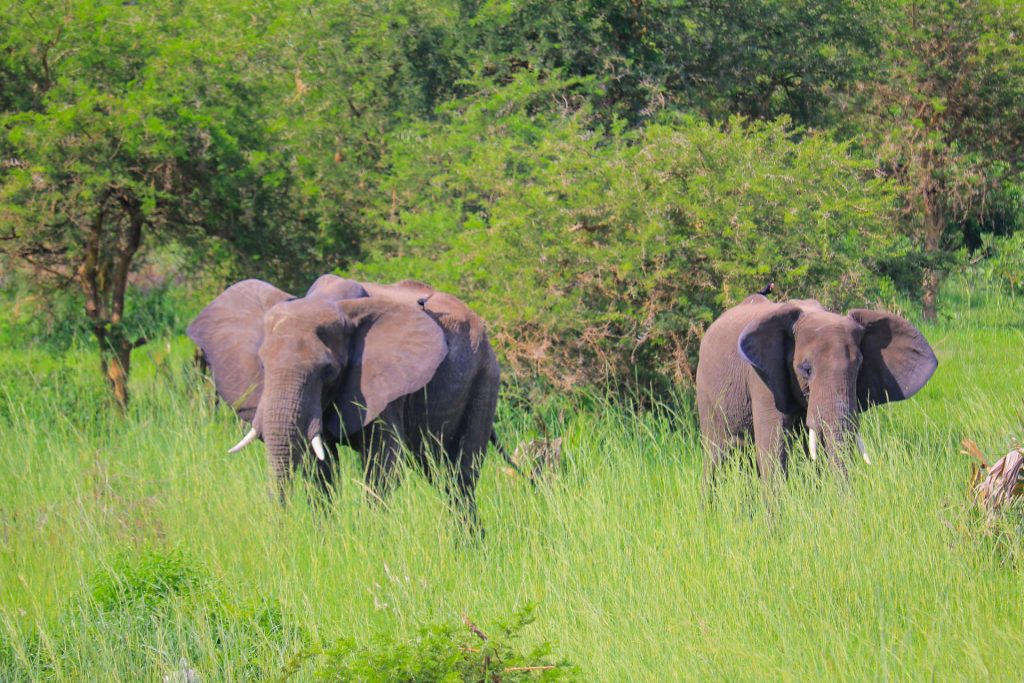
Today, thanks to strong Uganda Wildlife Authority (UWA) protection, community engagement, and eco-tourism, the population has rebounded to over 5,000 elephants that is a 600% increase in just four decades. Some reports, depending on survey scope, suggest the number may now approach 8,000 nationwide.
By Location
1. Queen Elizabeth National Park – ~2,913 elephants
2. Murchison Falls National Park – ~1,330 elephants
3. Kidepo Valley & Karenga – ~656 elephants
4. Smaller, more elusive forest elephant populations live in Kibale, Bwindi, and Semuliki National Parks.
The Three Elephant Species and Their Unique Traits
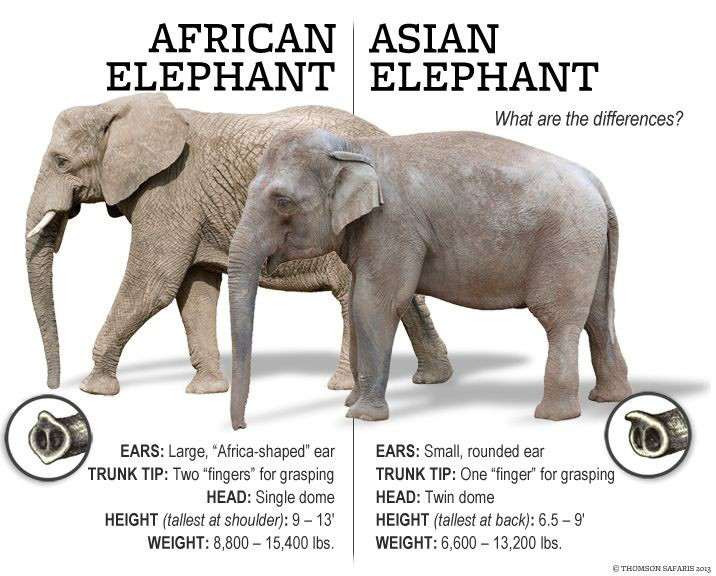
African Savanna Elephant (Loxodonta africana)
1. They are the largest living land animal (males up to 6,000 kg).
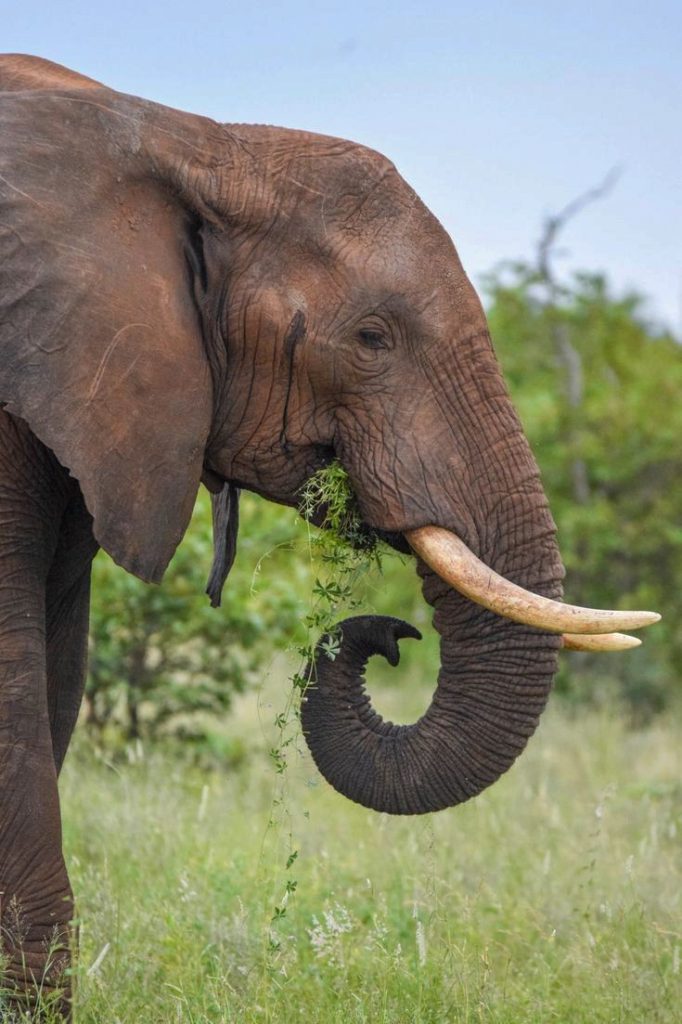
2. The ears are large and fan-shaped, perfect for heat regulation.
3. They have tusks which are long, curved, and functional for digging and defense.
4. They have social bonds where they live in close-knit, matriarch-led herds.
5. They are found in Open grasslands, savannas, and deserts across Africa.
African Forest Elephant (Loxodonta cyclotis)
1. They are smaller in size, with rounder ears.
2. They have tusks which are straighter, designed for maneuvering through dense vegetation.
3. They are heavy fruit eaters, essential for rainforest seed dispersal.
4. They are more elusive, inhabiting thick rainforests.
Asian Elephant (Elephas maximus)
1. They are smaller than both African species.
2. They have ears which are smaller, rounded, and adapted to forested climates.
3. Only some males have tusks while females rarely do.
4. These are domesticated in parts of Asia for forestry and ceremonial roles.
Why Elephants are irreplaceable?
- Memory and Intelligence – Elephants can recall water sources decades later and recognize individuals after years apart.
- Communication – They use infrasound to “speak” over long distances.
- Emotions – Display empathy, joy, and grief, mourning lost family members.
- Ecosystem Impact – Create waterholes, open vegetation, and spread seeds that sustain other wildlife.
THE CHALLENGES AHEAD
Even with Uganda’s progress, threats remain:
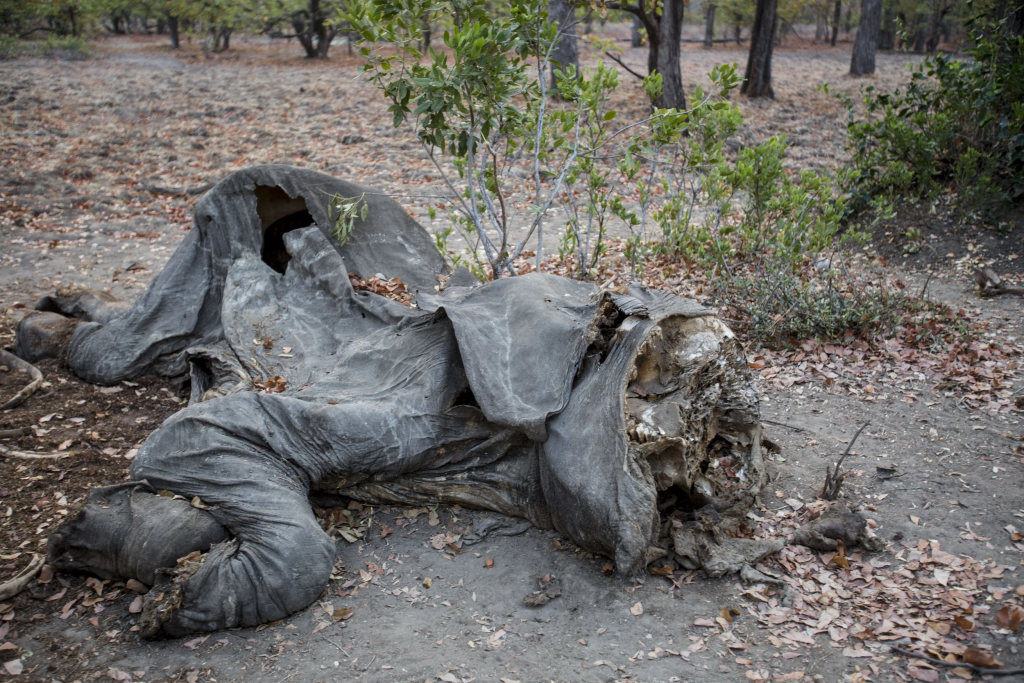
- Poaching for ivory remains a persistent risk.
- Habitat encroachment from agriculture limits elephant ranges.
- Human–elephant conflict leads to crop loss and retaliatory killings.
Globally, these same pressures are causing catastrophic declines where enforcement is weak or land is fragmented.
A Call to Action
Uganda’s rebound proves that conservation works when policy, protection, and community benefit align. But the global picture reminds us we cannot be complacent.
On World Elephant Day, let’s commit to:
- Choosing ethical wildlife tourism.
- Rejecting ivory and wildlife products.
- Supporting conservation partnerships.
- Advocating for stronger wildlife protection laws.
Elephants are more than a safari highlight, they are living testaments to the balance of nature. Safeguarding them means safeguarding our shared future.