World Zebra Day: Zebras of Uganda and East Africa

World Zebra Day, marked every 30 January, is dedicated to celebrating zebras while raising awareness about their importance in nature and the need to protect them. Zebras are one of Africa’s most iconic animals, instantly recognised by their black-and-white stripes and strong social bonds. Beyond their beauty, zebras play a vital role in maintaining healthy savannah ecosystems.
Types of Zebras
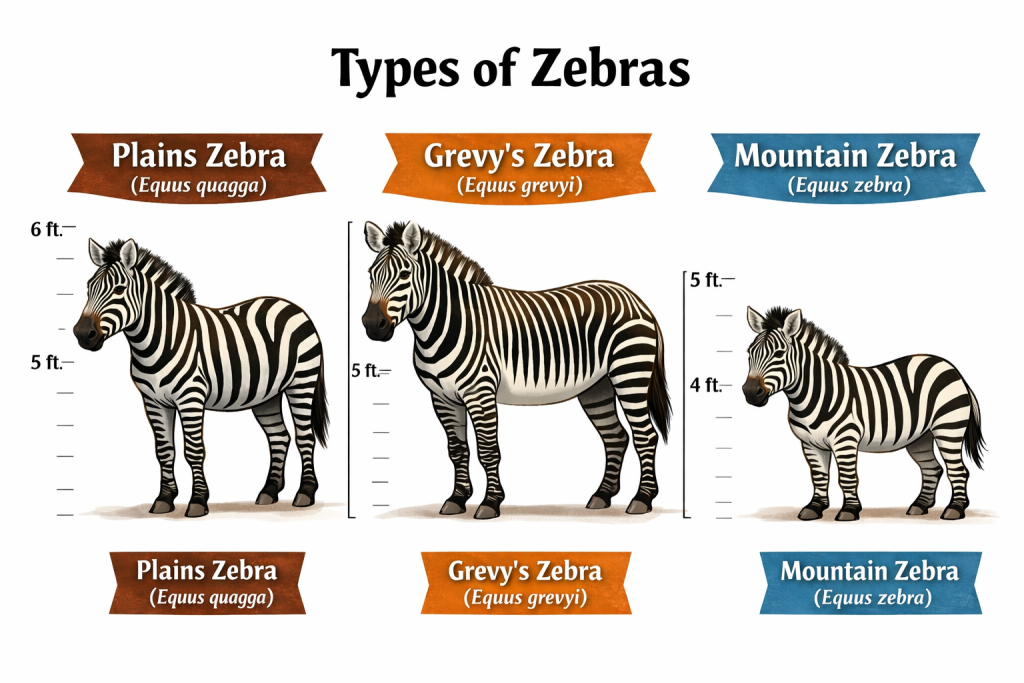
There are three main species of zebras, each adapted to different environments across Africa. Understanding these differences helps readers appreciate zebra diversity and conservation needs.
1. Plains Zebra (Equus quagga)
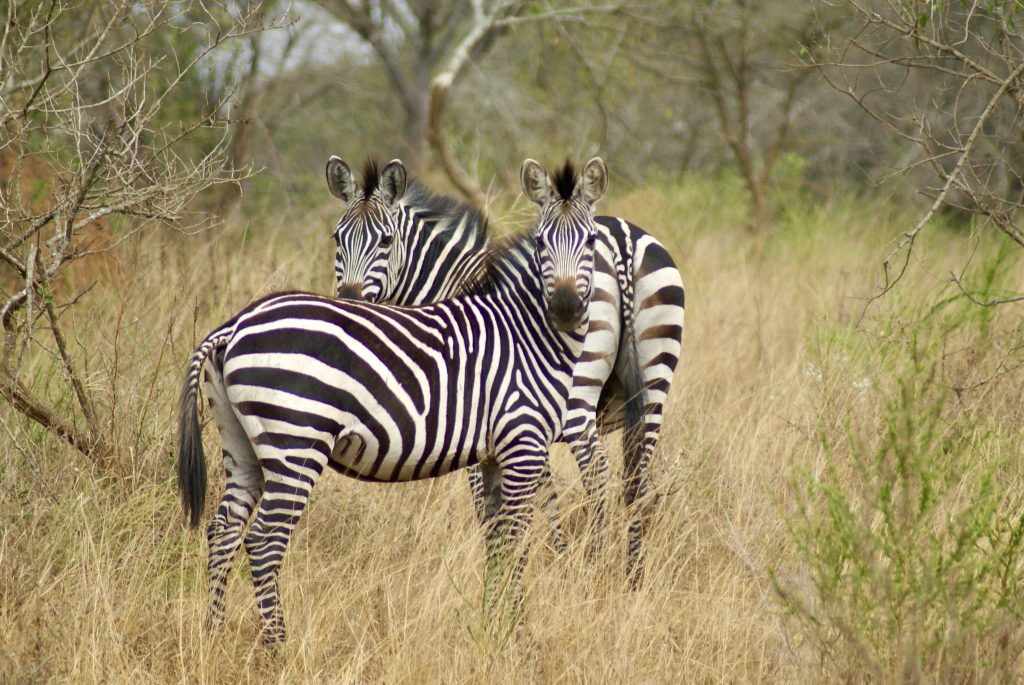
The Plains zebra is the most common and widely distributed species in Africa and the only zebra species found in Uganda. It inhabits open grasslands, savannahs, and lightly wooded areas. Plains zebras have broad black-and-white stripes that often fade into light brown “shadow stripes” on the body. They are highly social animals, living in stable family groups consisting of a stallion, several mares, and their young. Their strong group bonds and constant movement help protect them from predators.
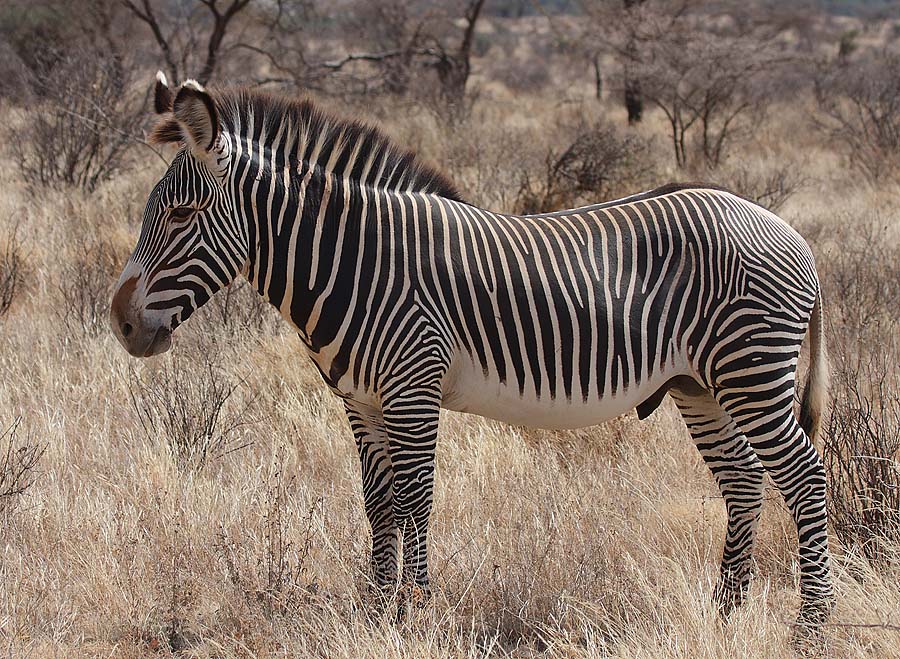
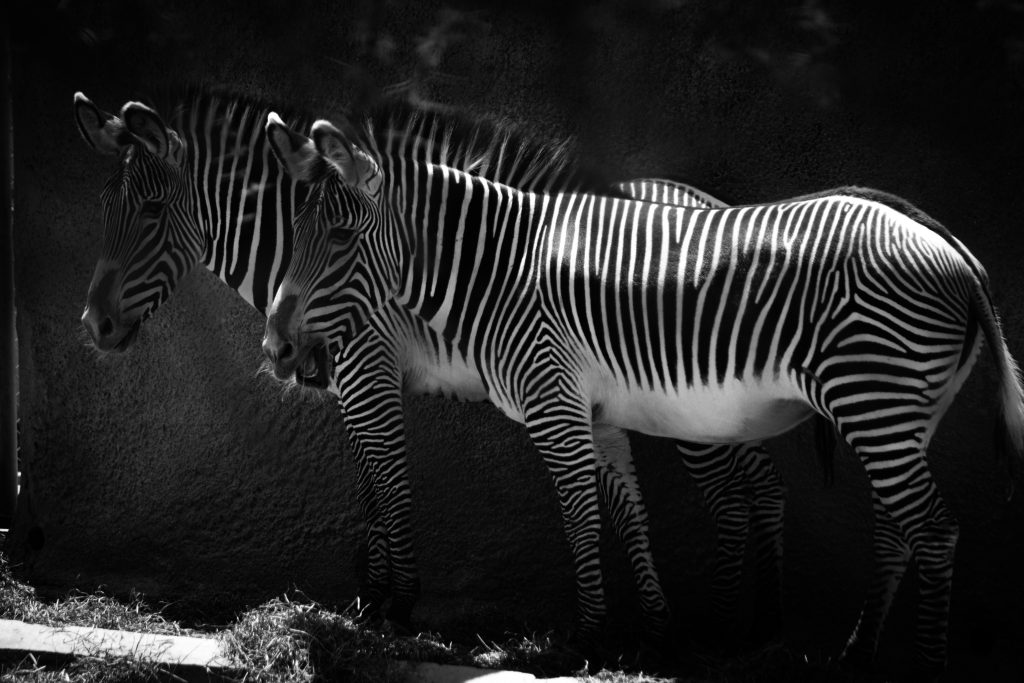
2. Grévy’s Zebra (Equus grevyi)
The Grévy’s zebra is the largest and most endangered zebra species. It is easily recognised by its narrow, closely spaced stripes, white belly, and large rounded ears. Unlike plains zebras, Grévy’s zebras are less social and are often found alone or in loose associations. They are specially adapted to hot, dry environments and can survive longer periods without water. Today, they are mainly found in northern Kenya and Ethiopia, with populations declining due to habitat loss and competition with livestock.
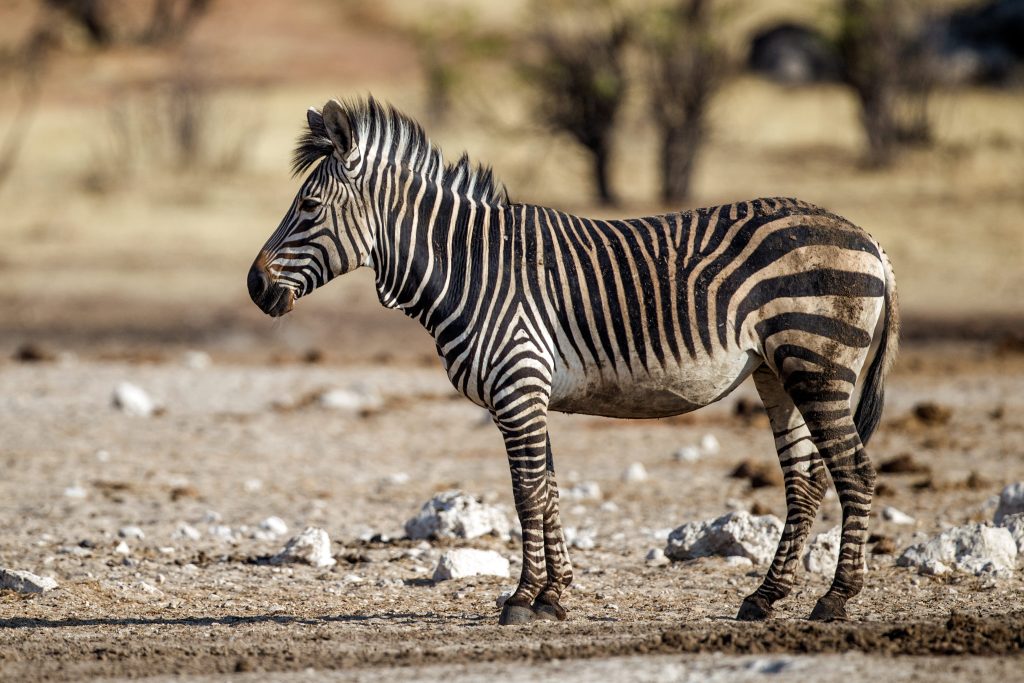
3. Mountain Zebra (Equus zebra)
The Mountain zebra is adapted to rugged, hilly, and mountainous landscapes. It has a distinct grid-like stripe pattern on the rump and a noticeable dewlap (a fold of skin) under the throat. This species is well suited for steep terrain and rocky slopes but has a limited range, occurring mainly in Namibia and South Africa. Mountain zebras are not found in East Africa, but they remain an important part of Africa’s overall zebra diversity.
Key Characteristics of Zebras
- Unique stripes: No two zebras have the same stripe pattern, much like human fingerprints.
- Strong social structure: Zebras live in stable family groups that protect each other from danger.
- Excellent eyesight and hearing: These help them detect predators early.
- Speed and endurance: Zebras can run fast and maintain speed over long distances when escaping predators.
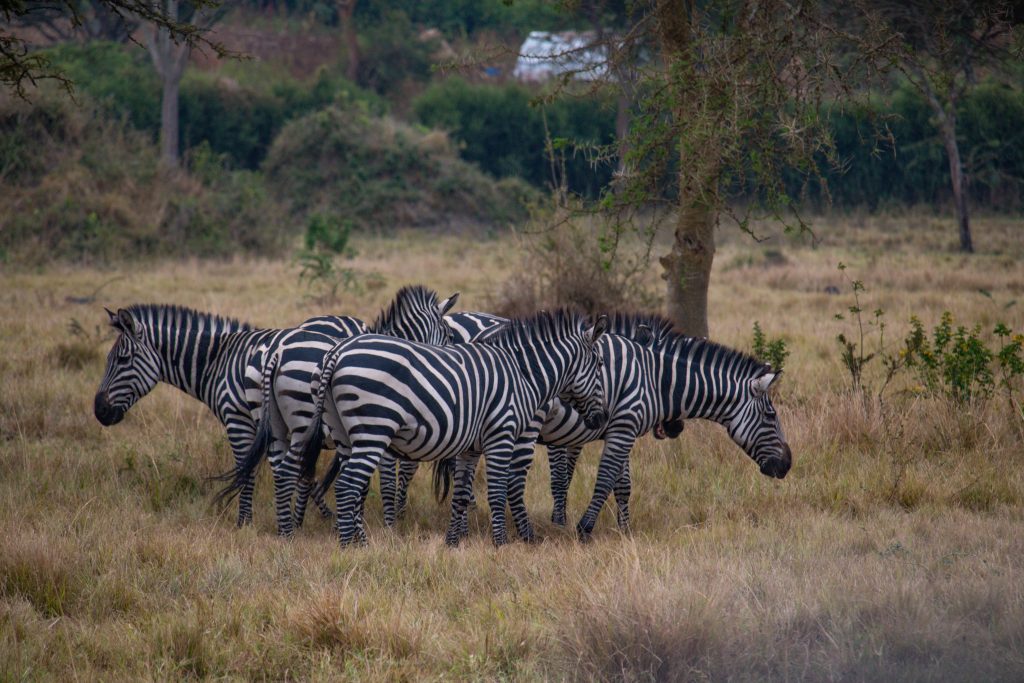
Photo Credit: Blessed Isaac Olupot
Defense Mechanisms
Zebras rely on a combination of strategies to survive:
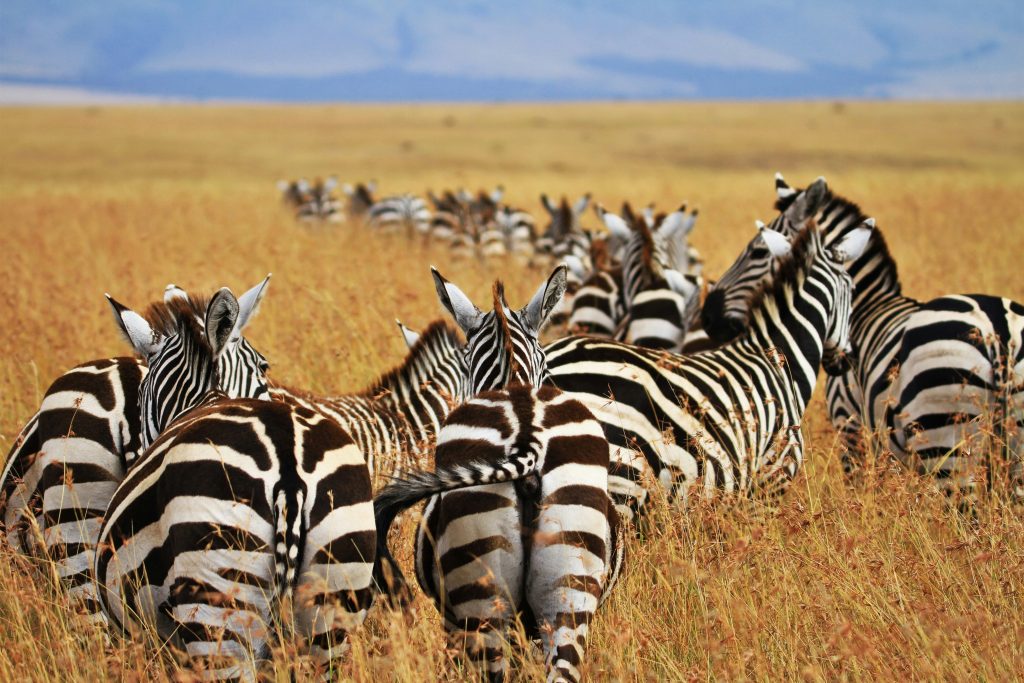
- Stripes for confusion: When zebras move together, their stripes make it difficult for predators to single out one individual.
- Group vigilance: Some zebras remain alert while others graze, ensuring early warning of danger.
- Powerful kicks and bites: A zebra’s kick can seriously injure a predator.
- Running in herds: Speed and teamwork increase survival chances.
Ecological Importance
Zebras are known as pioneer grazers. They feed on tall, tough grasses first, making the grassland suitable for other herbivores such as antelopes and gazelles. This helps maintain balance in savannah ecosystems and supports biodiversity.
Conservation Challenges
Despite their strength and adaptability, zebras face growing threats:
- Loss of habitat due to human settlement and agriculture
- Competition with livestock for grazing land
- Poaching and illegal hunting in some areas
- Climate change affecting water and pasture availability
Some zebra species, especially Grévy’s zebra, are at risk of extinction, making conservation efforts more important than ever.
Where to See Zebras in East Africa
In Uganda
Uganda offers excellent opportunities to see plains zebras in the wild:
- Lake Mburo National Park – The best place in Uganda to see zebras, often close to the road.
- Kidepo Valley National Park – Home to large herds in a remote and dramatic landscape.
- Pian Upe Wildlife Reserve – A quieter conservation area with open savannahs.
In the Wider East Africa Region
- Masai Mara (Kenya) and Serengeti (Tanzania) – Famous for vast zebra populations and the Great Migration.
- Akagera National Park (Rwanda) – A growing wildlife destination with healthy zebra numbers.
Learning About Zebras at UWEC‑CA
The Uganda Wildlife Education Centre (UWEC‑CA) plays an important role in wildlife education, conservation awareness, and rehabilitation. Visiting UWEC‑CA provides an opportunity for students, families, and visitors to learn about zebras and other wildlife while supporting conservation efforts in Uganda.
Why World Zebra Day Matters
World Zebra Day reminds us that zebras are more than just beautiful animals. They are essential to ecosystems, important to tourism, and part of Africa’s natural heritage. By learning about them and supporting conservation initiatives, we help ensure that future generations will continue to experience zebras in the wild.
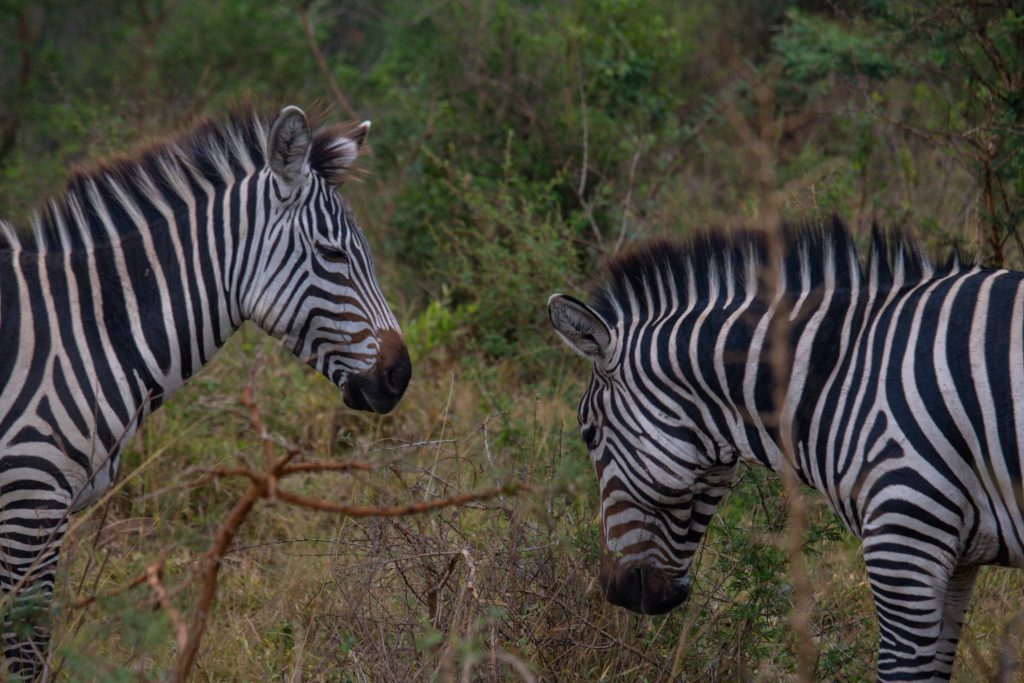
At Birders Lens, we celebrate World Zebra Day by promoting responsible tourism, conservation education, and a deeper appreciation of Africa’s wildlife.