Rhinos Return to Ajai Wildlife Reserve: A Conservation Revival in Uganda’s West Nile

The return of Rhinos to Ajai Wildlife Reserve marks a defining chapter in Uganda’s conservation recovery story. After more than four decades of absence, this iconic species has been reintroduced to its historic West Nile range an achievement rooted in long-term planning, institutional leadership, and disciplined wildlife management.
Historically, Ajai Wildlife Reserve supported white Rhinos alongside Elephants, Buffaloes, Uganda Kob, and a rich diversity of Birdlife. However, widespread poaching and systemic breakdown during the 1970s and 1980s led to the complete loss of rhinos across Uganda. By the early 1980s, the species had been wiped out nationally, leaving ecological and cultural gaps that would take decades to address.
Uganda’s Rhino recovery began with fundamentals. The establishment of Ziwa Rhino Sanctuary created a secure breeding and management base, allowing rhino numbers to increase steadily under strict protection. Today, Uganda’s rhino population stands at 59 individuals, enabling carefully planned reintroductions into former ranges.
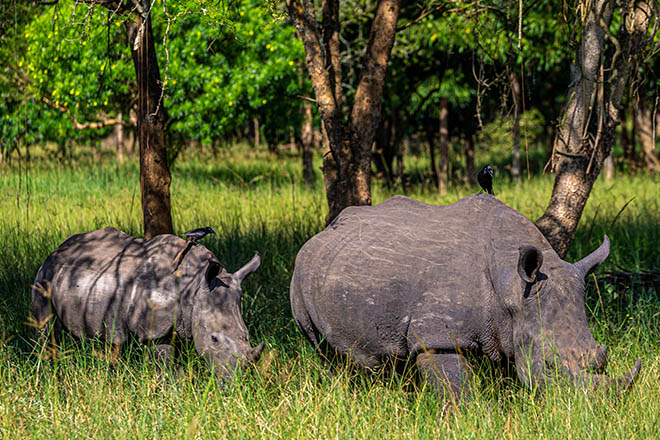
The decision to reintroduce rhinos to Ajai followed years of habitat rehabilitation, infrastructure development, ranger deployment, and ecological assessments. The phased plan will see up to 20 rhinos relocated, restoring biodiversity while strengthening conservation presence in the West Nile region.
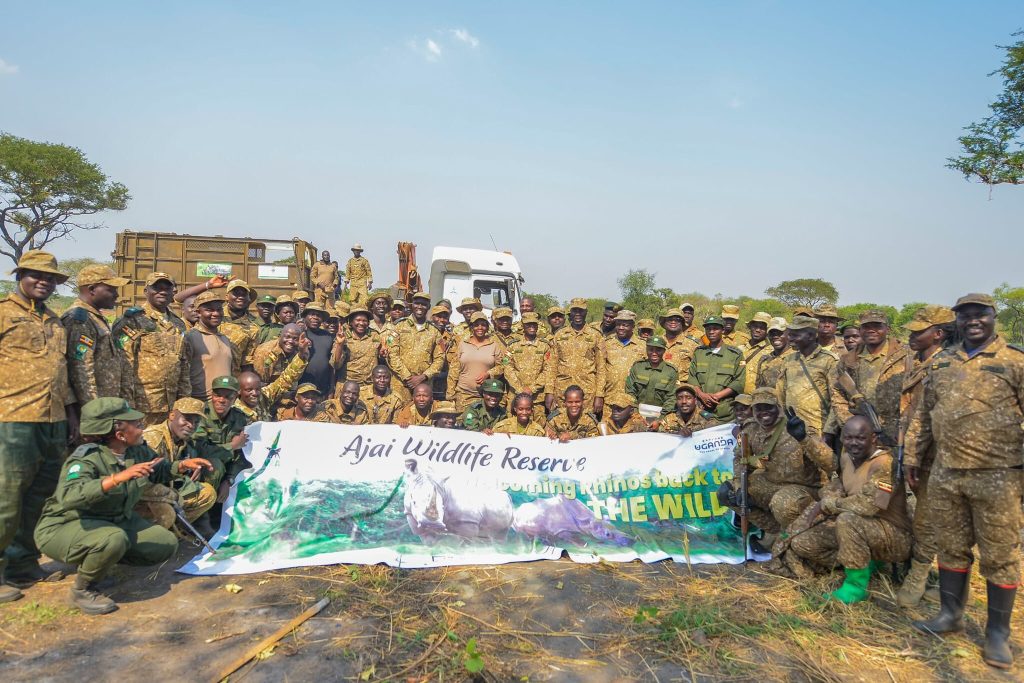
This historic translocation was led by the Uganda Wildlife Authority (UWA), supported by professional rangers, wildlife veterinarians, and conservation partners. Every stage from darting and transport to release was executed with precision, prioritizing animal welfare, community safety, and long-term sustainability.
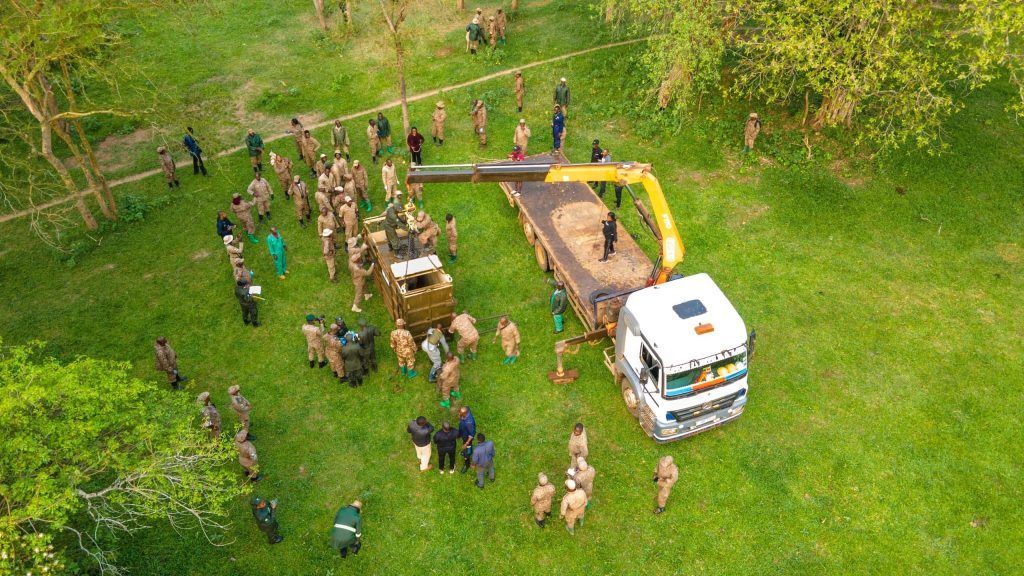
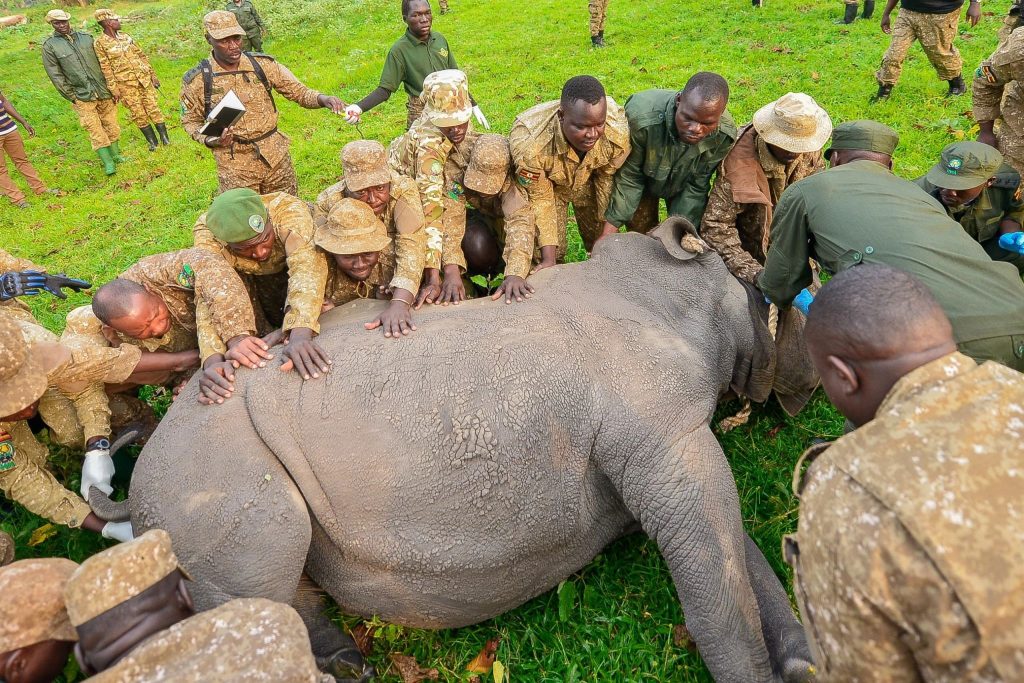
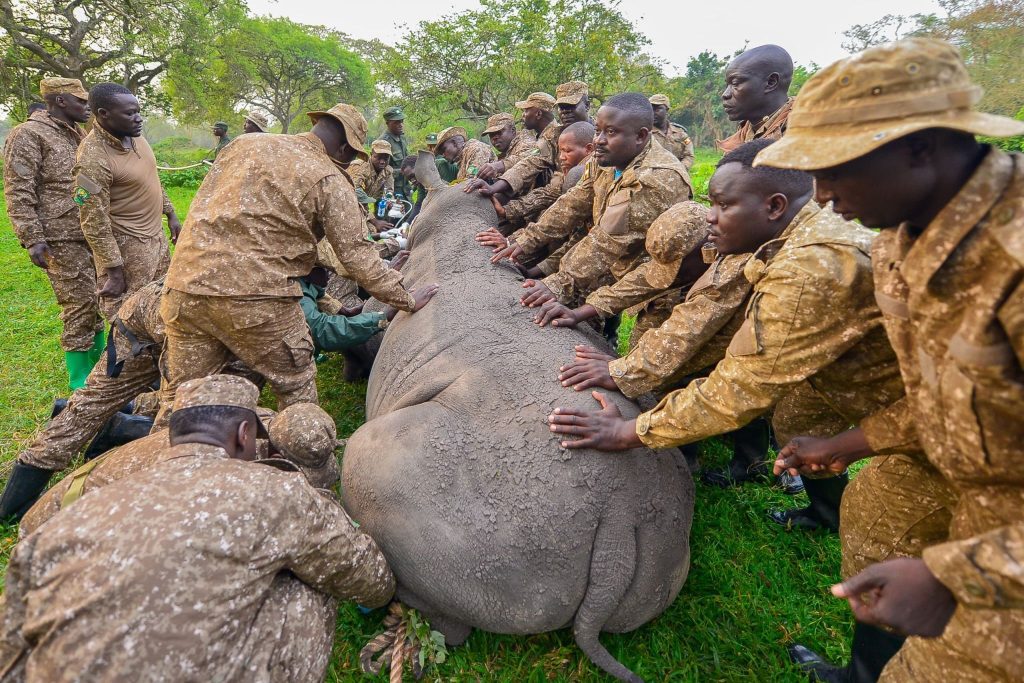
Beyond conservation impact, the return of rhinos positions Ajai Wildlife Reserve as a strategic tourism asset. For destinations like Ajai, conservation directly supports responsible tourism, community livelihoods, and regional economic growth.
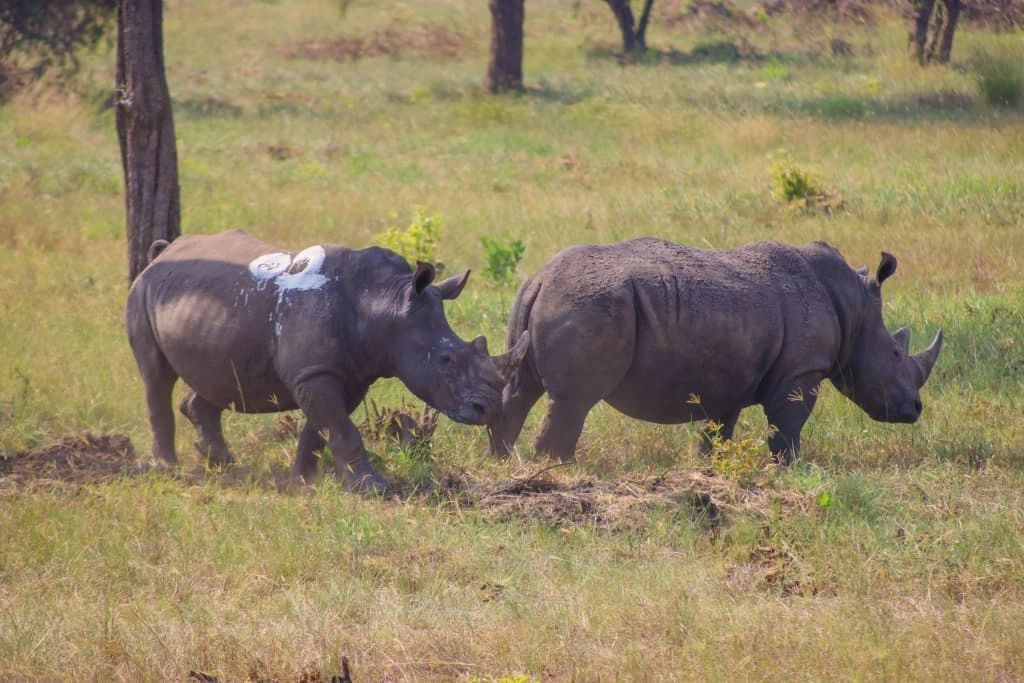
At Birders Lens, we recognize that meaningful travel begins with protected landscapes. The return of Rhinos to Ajai reinforces Uganda’s commitment to conservation and strengthens the foundation for nature-based tourism that benefits both wildlife and people.
Uganda is not just restoring species. It is restoring trust in conservation.