World Wildlife Day 2026 Celebrations Officially Launched

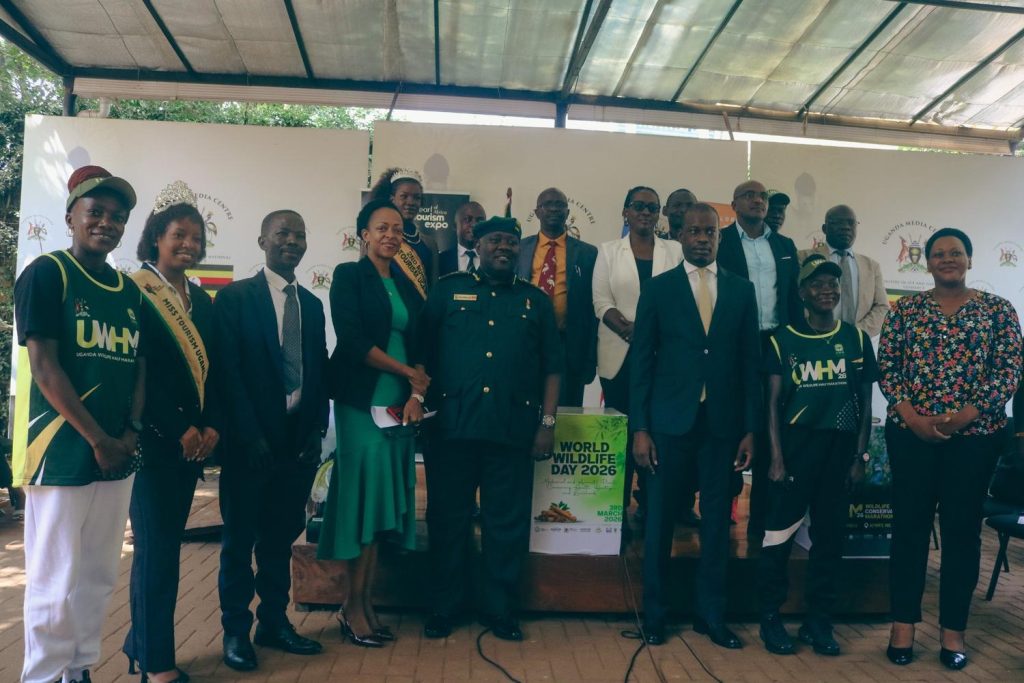
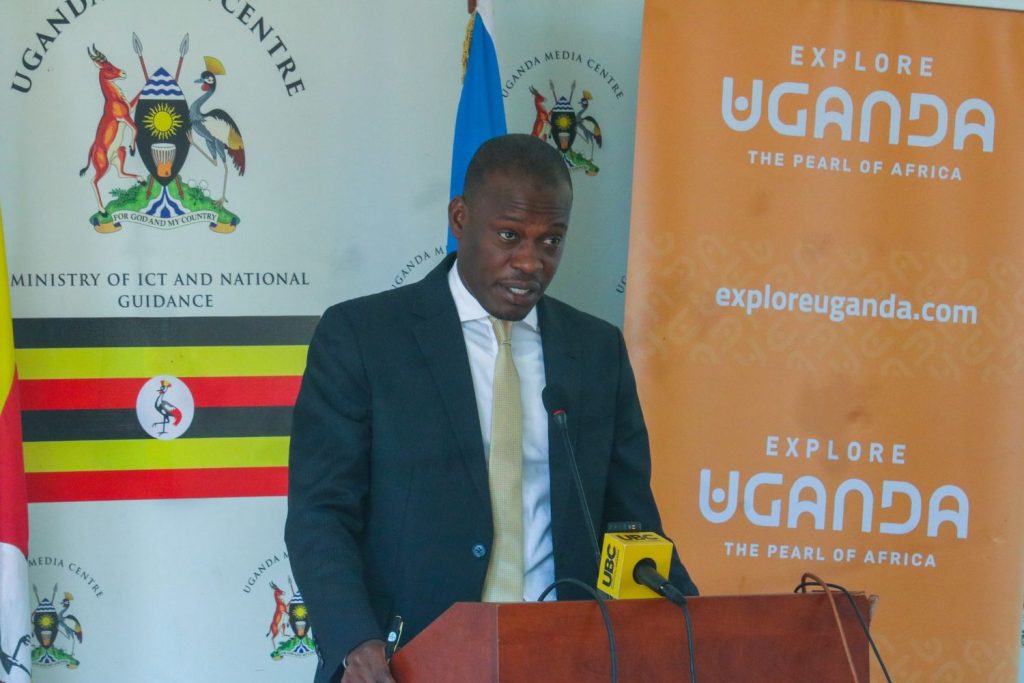
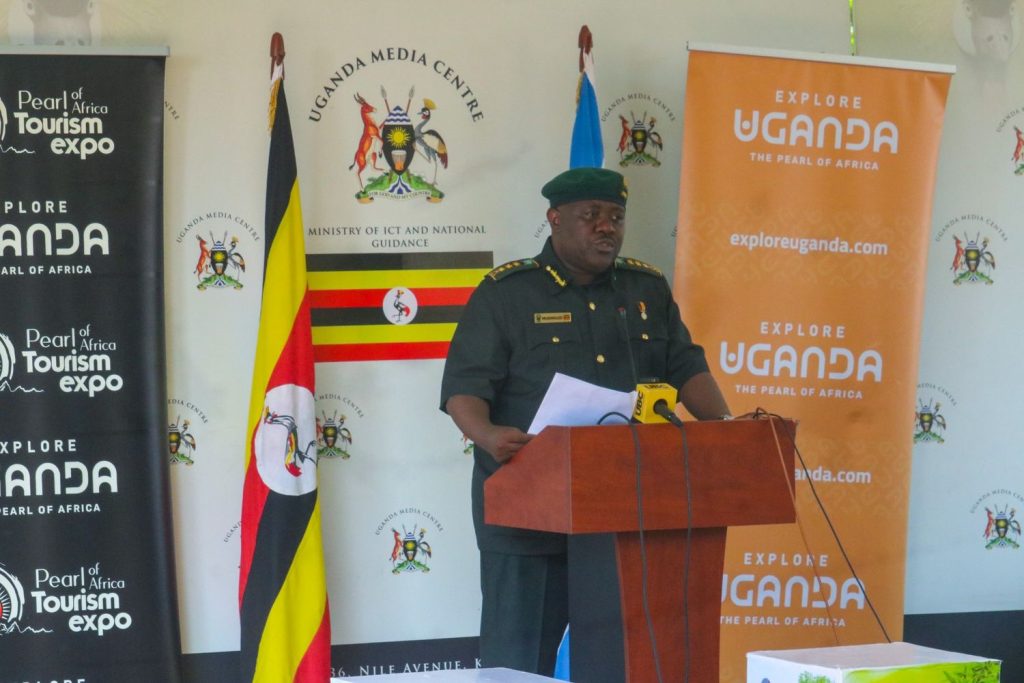
Uganda today officially launched the World Wildlife Day 2026 celebrations at the Uganda Media Centre, marking the beginning of a month-long series of conservation-focused activities aimed at strengthening public awareness, policy engagement, and community participation in wildlife conservation.
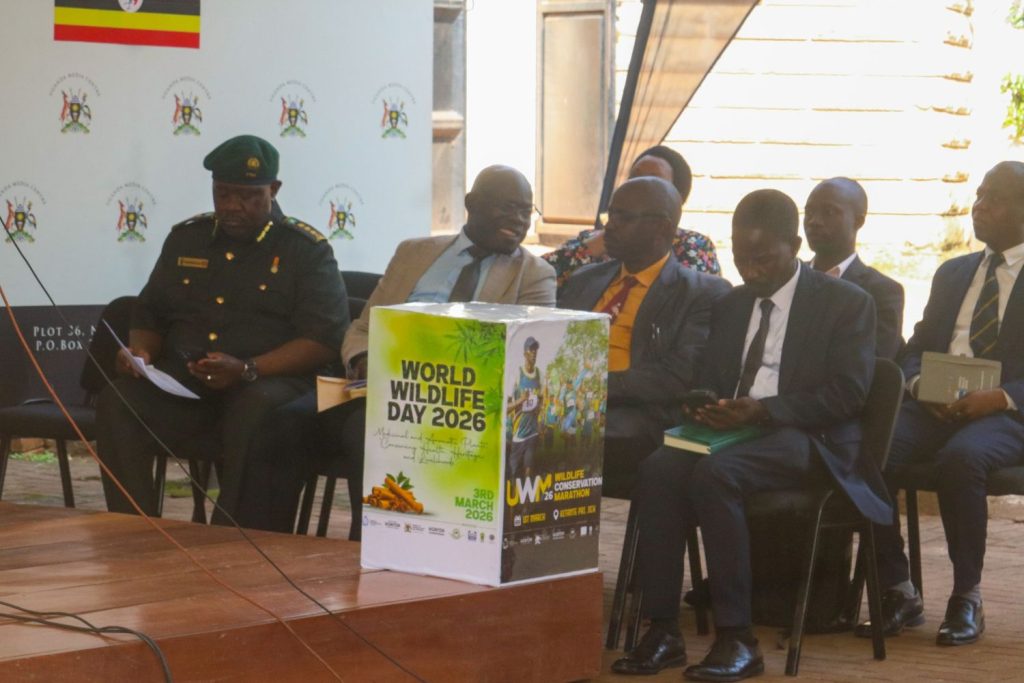
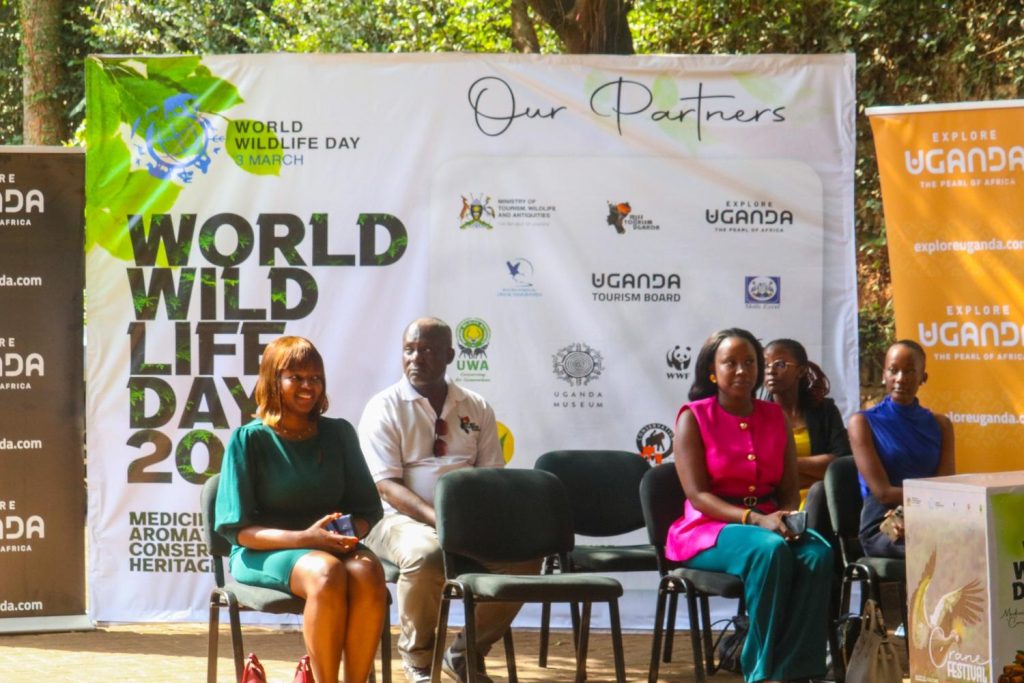
The media launch was officiated by the State Minister for Tourism, Wildlife and Antiquities, Hon. Martin Mugarra Bahinduka, and attended by key stakeholders in Uganda’s conservation and tourism sector. Among those present were the Executive Director of Uganda Wildlife Authority (UWA), Dr. James Musinguzi, the Chief Executive Officer of Uganda Tourism Board (UTB), Mrs. Julianna Kaggwa, representatives from the Ministry of Tourism, Wildlife and Antiquities, Miss Tourism Uganda, conservation partners, media houses, and civil society organisations.
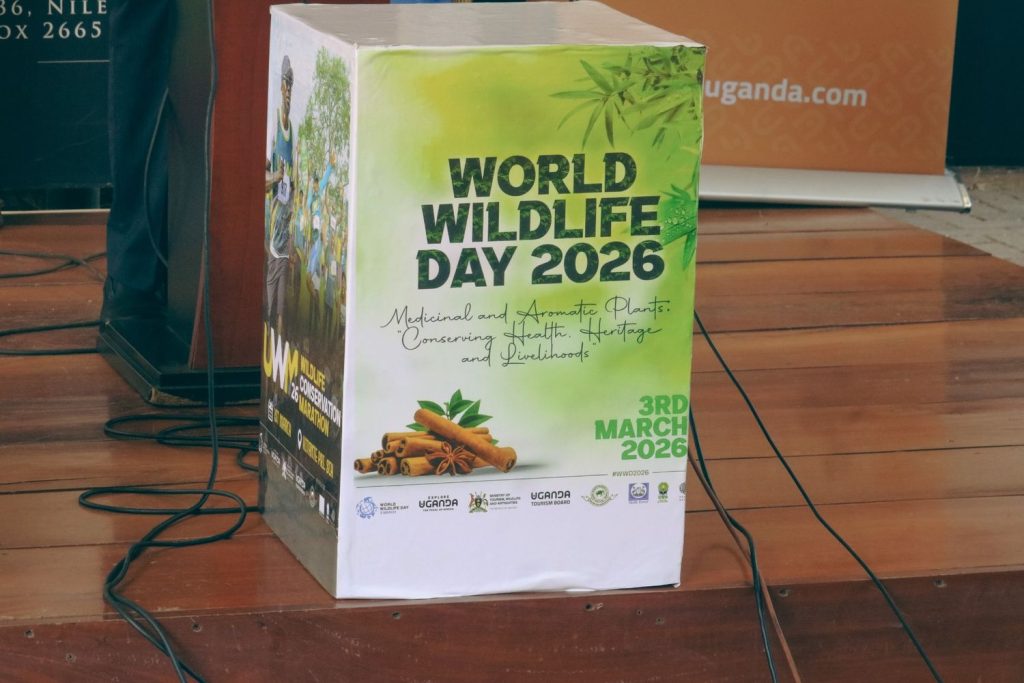
Theme: Medicinal and Aromatic Plants – Conserving Health, Heritage and Livelihoods
The 2026 celebrations will run under the theme:
“Medicinal and Aromatic Plants: Conserving Health, Heritage and Livelihoods.”
This theme highlights an often under-explored yet critically important area of conservation moreso the botanical resources. Uganda is richly endowed with medicinal and aromatic plants that support traditional healthcare systems, cultural heritage, and rural livelihoods. However, many of these plant species remain undocumented, under-researched, or threatened by habitat loss and unsustainable harvesting.
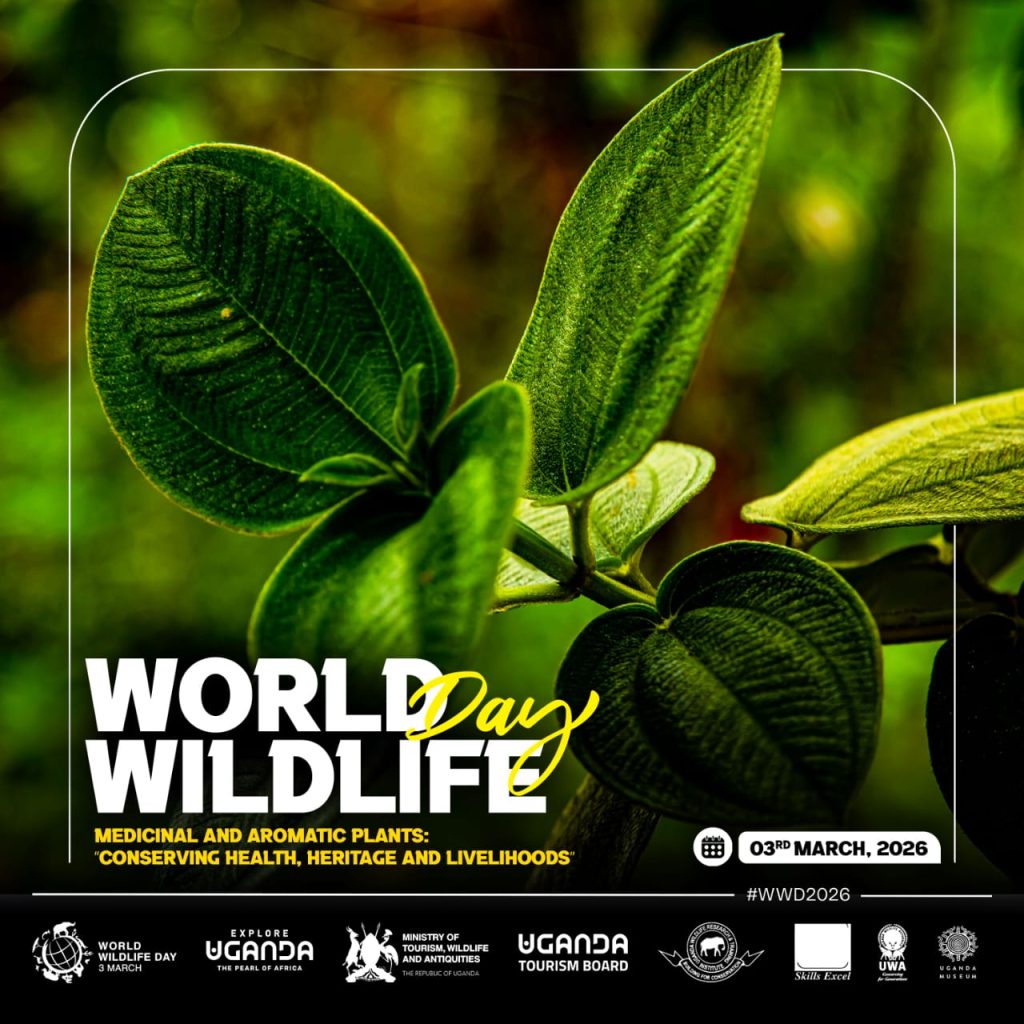
By spotlighting medicinal and aromatic plants, the World Wildlife Day celebrations aim to encourage research, sustainable use, community stewardship, and the development of botany-based tourism, positioning Uganda as a leader in nature-based and wellness tourism.
World Wildlife Day 2026 Roadmap of Activities
The launch also unveiled the official World Wildlife Day 2026 Roadmap, outlining key activities leading up to the main celebrations on 3rd March.
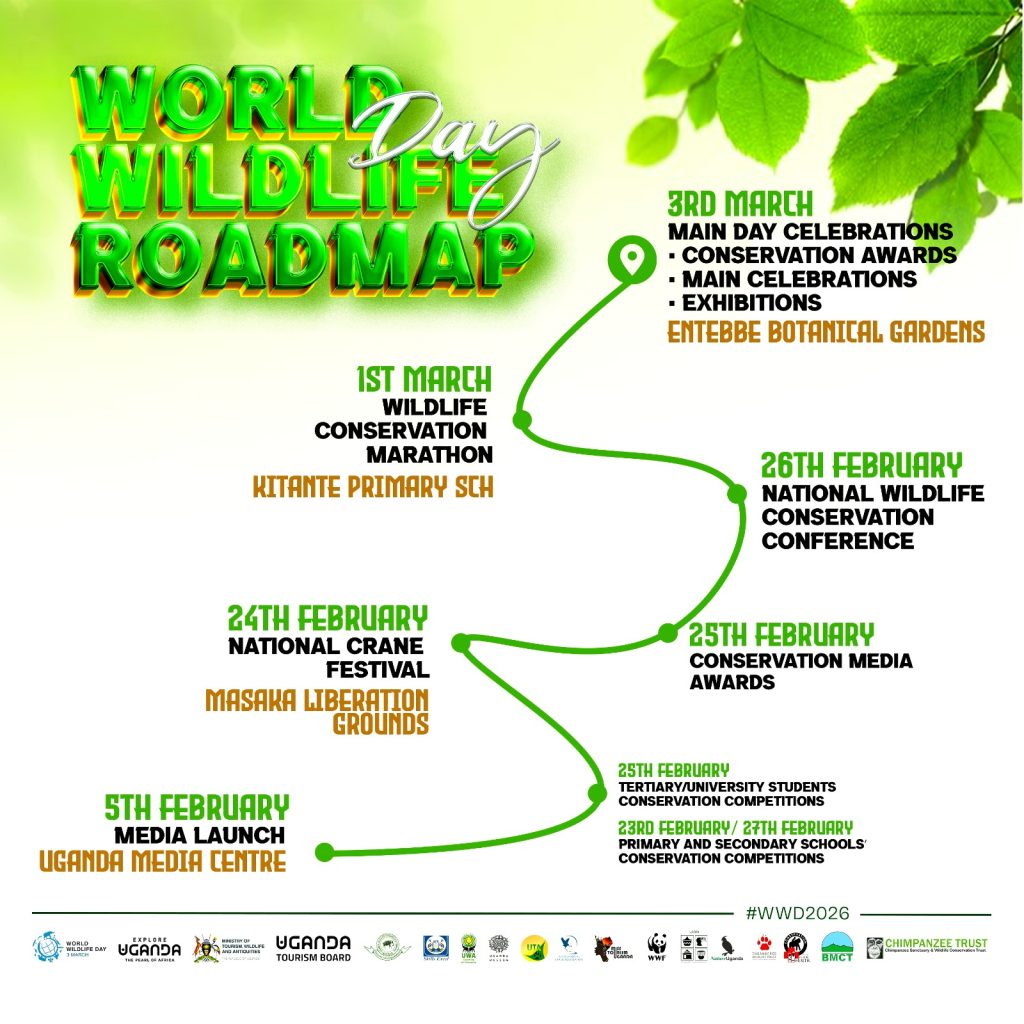
5th February – Media Launch
The celebrations officially kicked off at the Uganda Media Centre, setting the tone for nationwide engagement through media, schools, communities, and conservation institutions.
23rd & 27th February – Primary and Secondary Schools Conservation Competitions
These competitions aim to nurture conservation values among young learners, encouraging creativity, innovation, and early environmental stewardship.
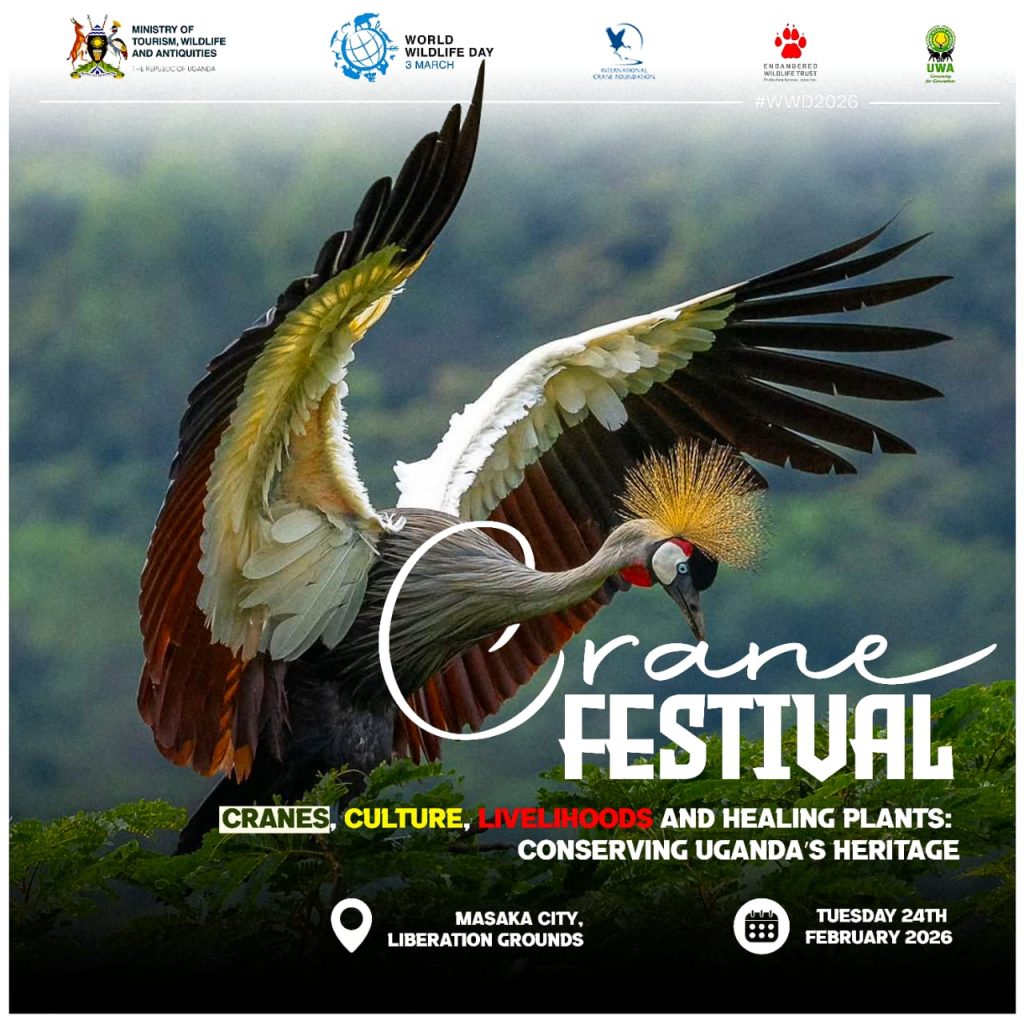
25th February – Tertiary and University Students Conservation Competitions
Targeting higher institutions of learning, this activity provides a platform for youth to contribute ideas, research, and solutions to conservation challenges.
25th February – Conservation Media Awards
The awards will recognize journalists and media practitioners who have demonstrated excellence in reporting on wildlife, conservation, and environmental sustainability.
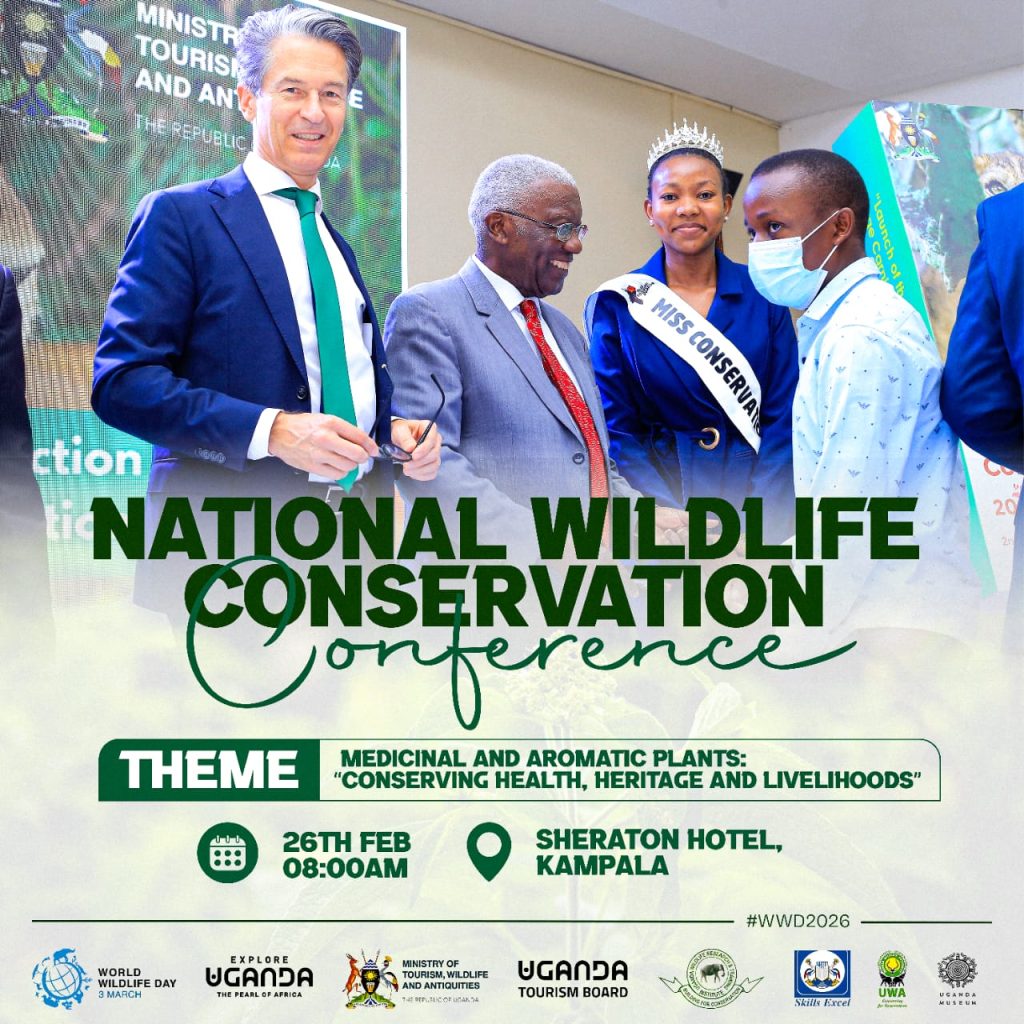
26th February – National Wildlife Conservation Conference
This conference will bring together policymakers, researchers, conservationists, and private sector players to discuss emerging issues, innovations, and opportunities in wildlife and botanical conservation.
1st March – Wildlife Conservation Marathon
The Wildlife Run will take place at Kitante Primary School, featuring 5km, 10km, and 21km categories. Beyond promoting fitness, the run carries a powerful cause supporting the education of children of fallen wildlife rangers. The Gold Kits for Adults will go for Ugshs 50,000, the Bronze Kits at Ugshs 30,000 and Kids under 12 years Ugshs 30,000
3rd March – Main World Wildlife Day Celebrations
The climax of the celebrations will be held at the Entebbe Botanical Gardens, with H.E. Yoweri Kaguta Museveni Tibahaburwa the President of the Republic of Uganda as the Chief Guest. Activities will include conservation awards, exhibitions, and public engagements celebrating Uganda’s wildlife heritage.
Honouring Uganda’s Wildlife Rangers
During the launch, attention was drawn to the sacrifices made by wildlife rangers, the frontline defenders of Uganda’s natural heritage. Uganda currently has approximately 3,200 wildlife rangers, and tragically, between 6 to 10 rangers lose their lives annually while on duty due to human-wildlife conflict, poaching encounters, and other operational risks.
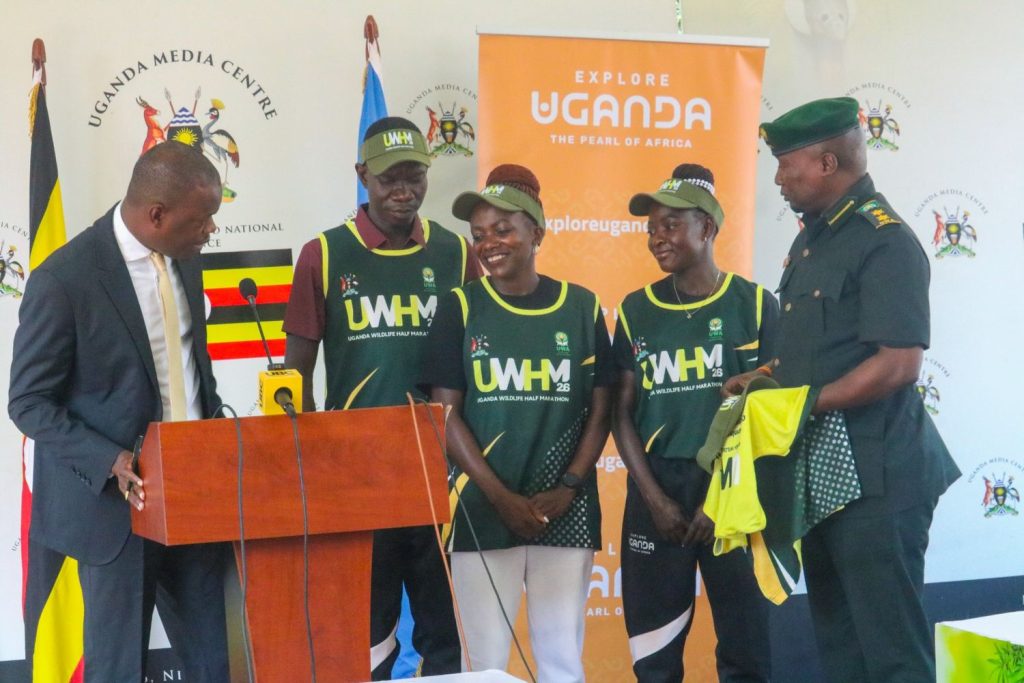
In response, Uganda Wildlife Authority established an Education Fund to support children whose parents died in the line of duty. The Wildlife Conservation Marathon directly contributes to this cause, ensuring that the legacy of fallen rangers lives on through education and opportunity for their children.

Uganda Wildlife Authority: Key Successes Highlighted
The launch also showcased notable achievements by UWA in recent years, including:
- 231 kilometres of electric fencing installed in major protected areas such as Queen Elizabeth National Park, Kidepo Valley National Park, and Murchison Falls National Park, reducing human-wildlife conflict.
- Establishment of joint command centres with EarthRanger technology, enabling real-time monitoring of wildlife movements and ranger operations.
- Promotion of wildlife user rights, encouraging communities to sustainably benefit from wildlife on their land.
- Introduction of a UWA Research Fund, encouraging researchers, students, and institutions to apply and contribute evidence-based solutions to conservation challenges.
Challenges and Opportunities in Botanical Tourism
Despite Uganda’s rich plant diversity, botanical tourism remains underdeveloped. Key challenges include limited public awareness, inadequate documentation of medicinal plants, habitat degradation, and insufficient investment in research and interpretation. Addressing these gaps presents an opportunity to diversify Uganda’s tourism product while promoting conservation, health, and livelihoods.

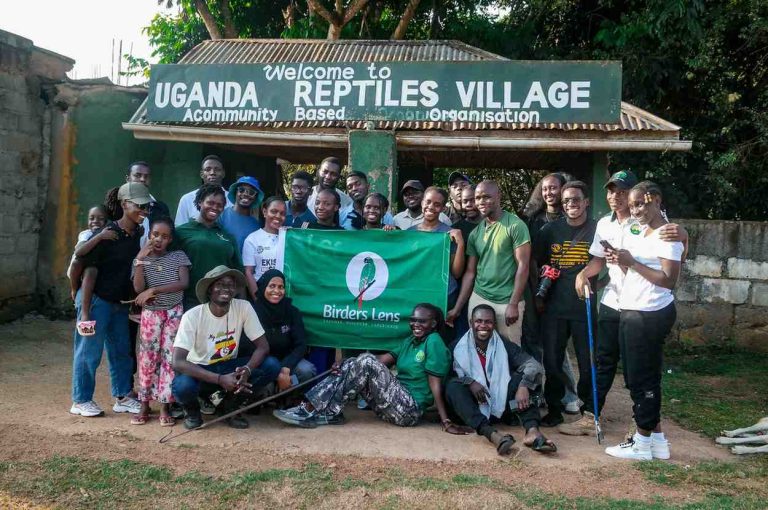
In conclusion, as conservation partners, Birders Lens reaffirmed its commitment to supporting World Wildlife Day activities through awareness creation, eco-tourism promotion, and community engagement. Birders Lens encourages the public, schools, institutions, and nature enthusiasts to actively participate in the outlined activities and collectively champion the protection of Uganda’s wildlife and botanical heritage.
Together, conserving wildlife is not just a duty — it is a shared responsibility for our health, heritage, and future livelihoods.