
King Oyo Tribute: His Legacy in Tooro Tourism, Culture & Conservation
Remembering King Oyo Nyimba Kabamba Iguru Rukidi IV and his legacy in Tooro tourism, cultural heritage, environmental conservation and Uganda's tourism industry.

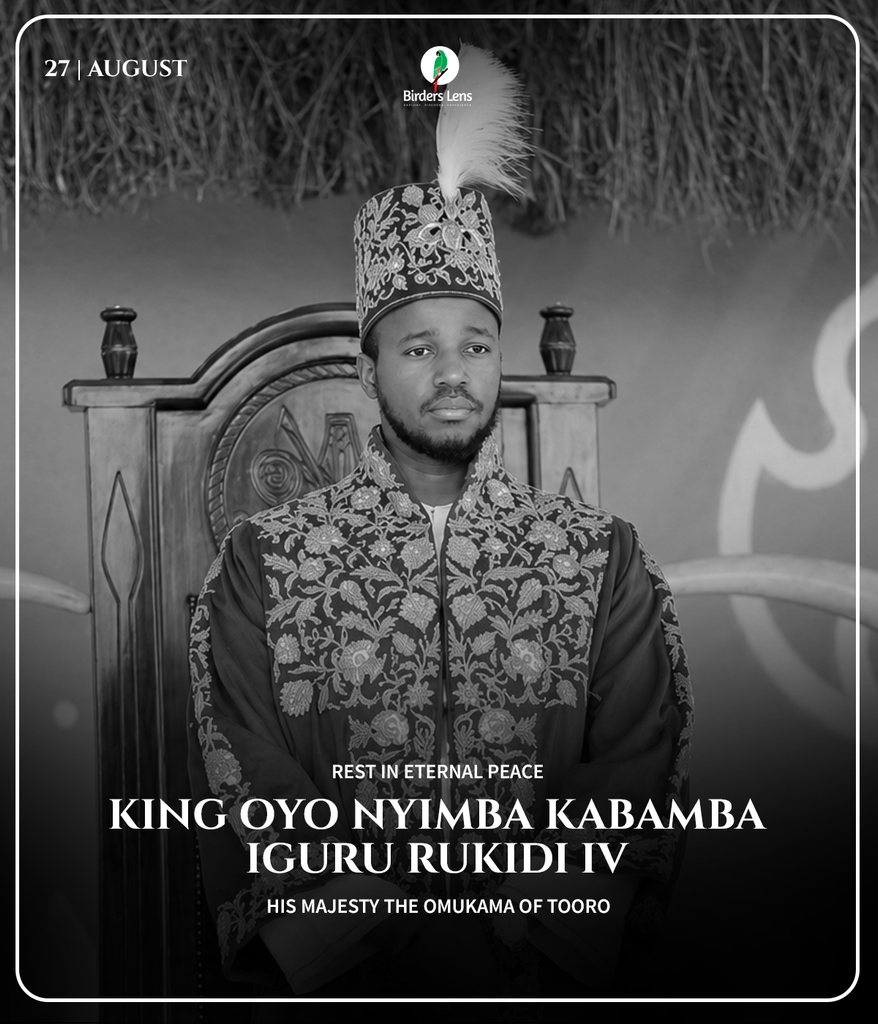
Uganda mourns the passing of His Majesty Omukama Oyo Nyimba Kabamba Iguru Rukidi IV, the King of Tooro, who died on 27 August 2026 at the age of 34. His passing marks the end of a remarkable reign that began when he was only three years old and spanned nearly three decades.
For Uganda’s tourism industry, the loss is deeply significant. His Majesty was not only a cultural leader of the Batooro; he was also an important voice in the promotion of Tooro’s cultural heritage, tourism, environmental conservation and the natural beauty of western Uganda.
A King Whose Legacy Was Closely Connected to Tourism
Tooro is one of Uganda’s most distinctive tourism regions, combining cultural heritage with extraordinary landscapes and biodiversity. Fort Portal and the wider Tooro region provide access to the Rwenzori Mountains, crater lakes, rainforests, caves, cultural sites and some of Uganda’s most important wildlife destinations.
The Official Tooro Kingdom tourism platform describes the region as a destination where royal heritage, crater lakes, caves, rainforests and community-powered tourism come together.
Throughout his reign, King Oyo increasingly used his public position to draw attention to these assets and encourage the development of tourism within the Kingdom.
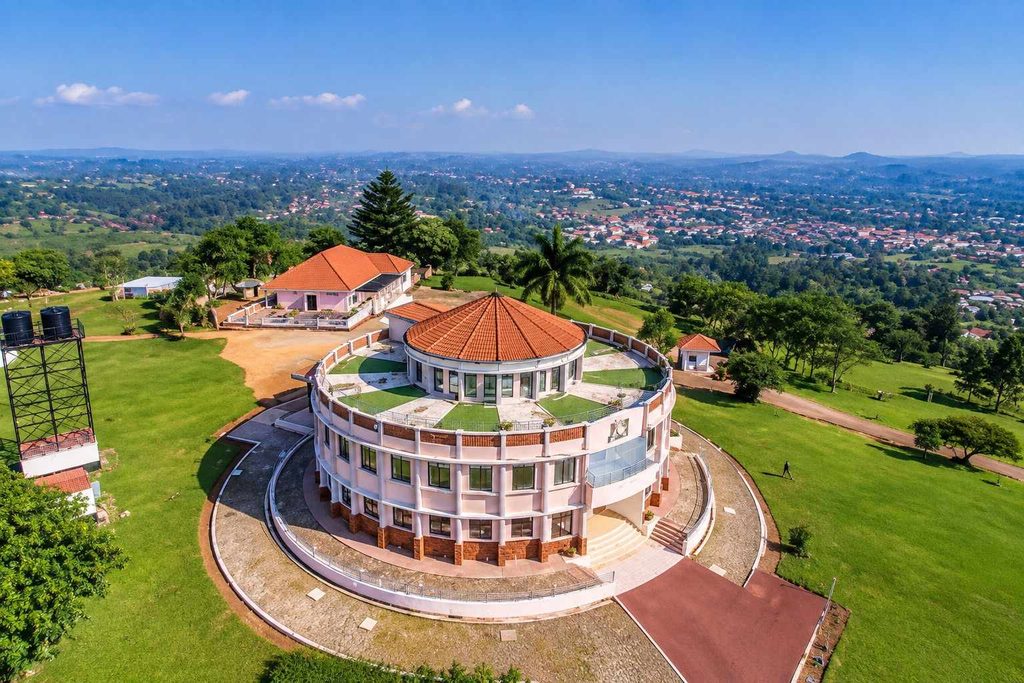
His Majesty advocated for greater investment in access to the Rwenzori Mountains, recognizing that better tourism infrastructure could help unlock the economic potential of the region and improve the visitor experience.
This was important because tourism in Tooro is not simply about sightseeing. It represents an opportunity to connect culture, conservation, local livelihoods and destination development.
The Royal Rwenzori Mountain Expedition
One of the most memorable examples of King Oyo’s contribution to tourism promotion was his Royal Rwenzori Mountain Expedition.
In 2023, His Majesty completed a challenging expedition to the Rwenzori Mountains, including reaching Margherita Peak, the highest point in Uganda. The expedition was subsequently documented through a film that helped showcase the Rwenzori Mountains to a wider audience.
The expedition carried significance beyond the achievement itself.
It presented the Rwenzori Mountains as an adventure tourism destination and created an opportunity to tell a Ugandan story through one of the country’s most spectacular natural landscapes.
The Uganda Tourism Board highlighted the resulting Rwenzori: The Source of Life film as an example of storytelling that showcases the beauty of the Rwenzori Mountains while championing climate action.
For a tourism industry increasingly dependent on destination storytelling, this was a powerful message: Uganda’s greatest tourism assets deserve to be experienced, protected and told to the world.
A Champion of Environmental Conservation
King Oyo’s tourism legacy cannot be separated from his environmental conservation efforts.
A destination cannot sustain tourism without protecting the natural resources upon which that tourism depends. During his reign, His Majesty championed environmental initiatives in Tooro, including a campaign calling on his subjects to plant more than 10 million trees across the Kingdom. He also supported efforts to protect River Mpanga, an important water resource serving communities in the Tooro region.
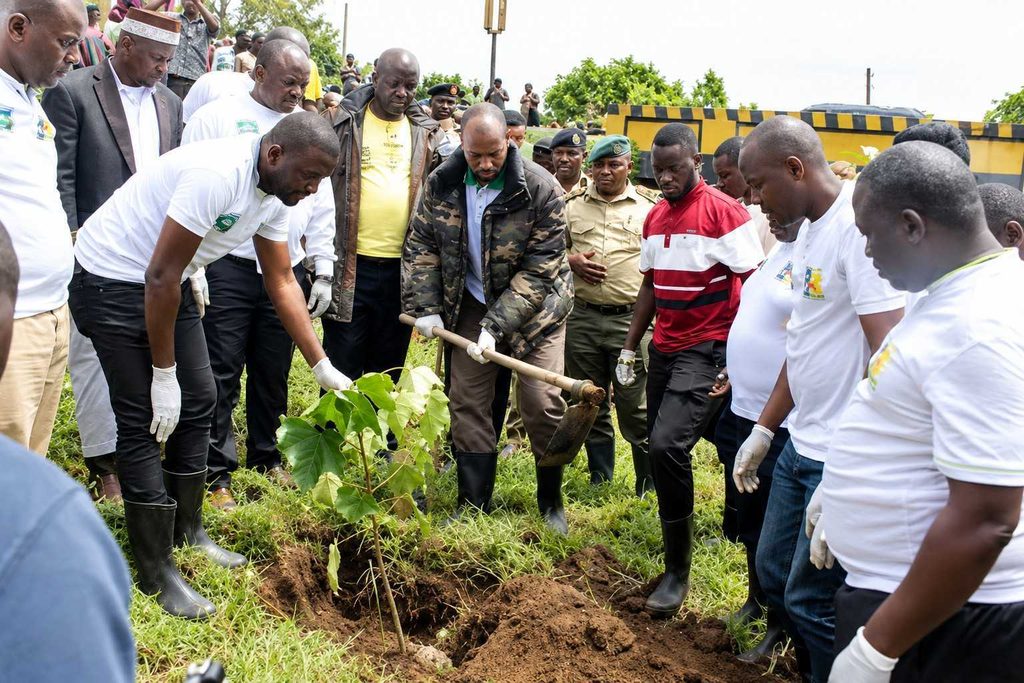
His conservation leadership was also recognized beyond the Kingdom. In 2020, WWF recognized Tooro Kingdom for setting ambitious nature recovery targets, during a period when tourism and rural development were central themes.
This connection between conservation and tourism remains fundamental.
The Rwenzori landscape, forests, rivers, crater lakes and wildlife are not merely environmental resources. They are part of Uganda’s tourism economy and cultural identity.
Promoting Culture as a Tourism Asset
Perhaps one of King Oyo’s most enduring contributions was his role as a custodian and promoter of Tooro’s cultural identity. Traditional Kingdoms in Uganda have no political authority but play an important cultural role as Guardians of heritage and tradition.
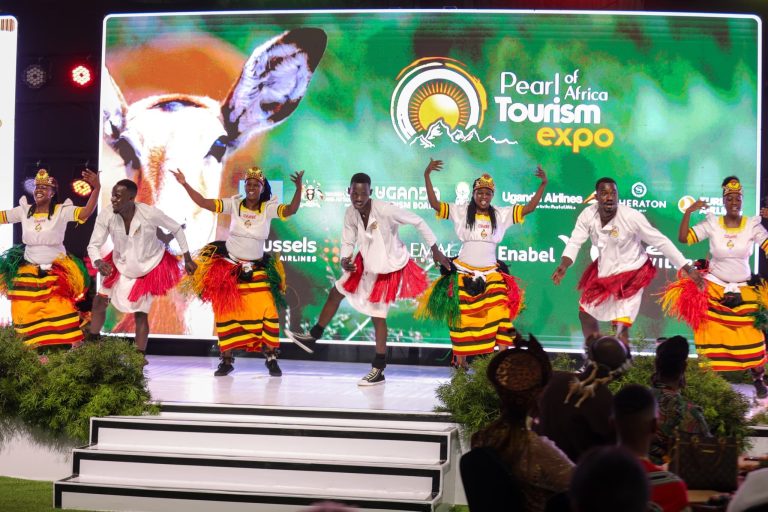
Under King Oyo’s leadership, cultural celebrations and institutions continued to provide platforms through which Tooro’s traditions could be shared with Ugandans and international visitors.
The Empango celebrations, for example, have increasingly been positioned as opportunities to promote culture and tourism while contributing to local economic development. UNDP specifically commended King Oyo for dedicating Empango commemorative activities to the promotion of culture and tourism for local economic development.
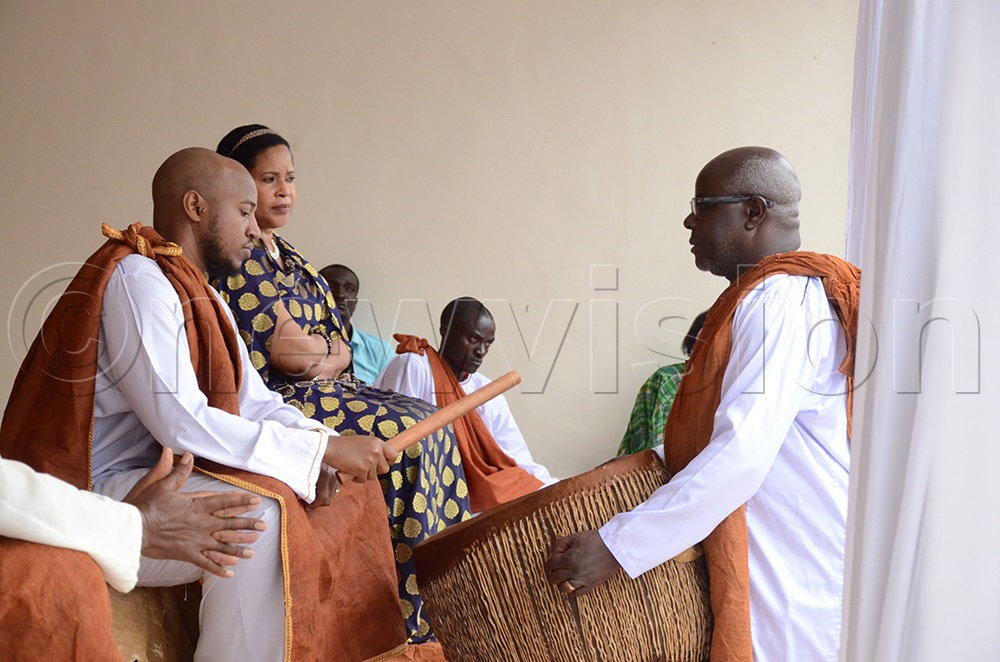
Photo Credit: New Vision
This approach reflects an important principle in modern cultural tourism: heritage should not simply be preserved behind closed doors; it should be responsibly interpreted, celebrated and shared.
A Legacy That Extended to Wildlife and Conservation Tourism
King Oyo also demonstrated a personal appreciation for Uganda’s wildlife heritage.
On 26th April 2025, His Majesty undertook a Gorilla trekking experience in Bwindi Impenetrable National Park, where he observed the forest’s biodiversity and commended Uganda Wildlife Authority for its conservation work protecting mountain gorillas and their habitat.
His visit illustrated the important connection between cultural leadership and conservation tourism.
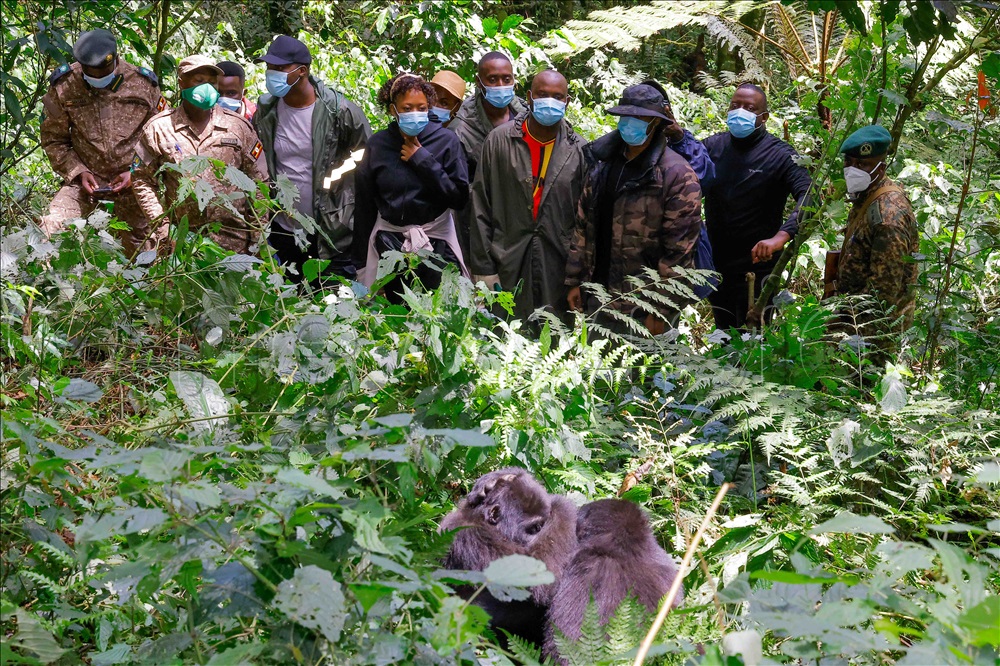
Uganda’s tourism success depends on protecting its iconic species and landscapes, from the Mountain Gorillas of Bwindi and the Chimpanzees of Kibale Forest to the Rwenzori’s unique ecosystems and the birds and wildlife found across the Albertine Rift.
Tourism, Youth and the Future of Tooro
King Oyo’s reign also carried a strong focus on the younger generation.
The Kingdom’s long-term development planning incorporated tourism alongside culture, youth empowerment, agriculture, environmental conservation, water resources and health. The 25-year development plan launched in 2021 was designed to guide Tooro’s development through 2045.
This is particularly relevant to Tourism because the future of Uganda’s tourism industry will depend heavily on young people entering the sector as guides, conservationists, hospitality professionals, entrepreneurs, researchers, storytellers and destination marketers.
The legacy of a cultural institution is therefore not measured only by monuments or ceremonies. It is also measured by whether future generations understand the value of what they have inherited.
Remembering a King, Preserving a Destination
As we mourn His Majesty Omukama Oyo Nyimba Kabamba Iguru Rukidi IV, the tourism industry must also reflect on what his reign represented.
He leaves behind a Tooro whose identity is deeply intertwined with some of Uganda’s greatest tourism assets: the Rwenzori Mountains, Crater Lakes, Forests, Wildlife, Cultural traditions, Royal Heritage and the communities that call this region home.
His legacy reminds us that tourism and conservation must work together. We cannot promote the Rwenzori without protecting the Rwenzori.
We cannot market Tooro’s culture without respecting the people and traditions that sustain it.
We cannot invite visitors to experience Uganda’s natural heritage without investing in the conservation of the landscapes and wildlife that make the experience possible.
And we cannot speak about sustainable tourism without ensuring that local communities benefit from the destinations they help protect.
A Final Tribute
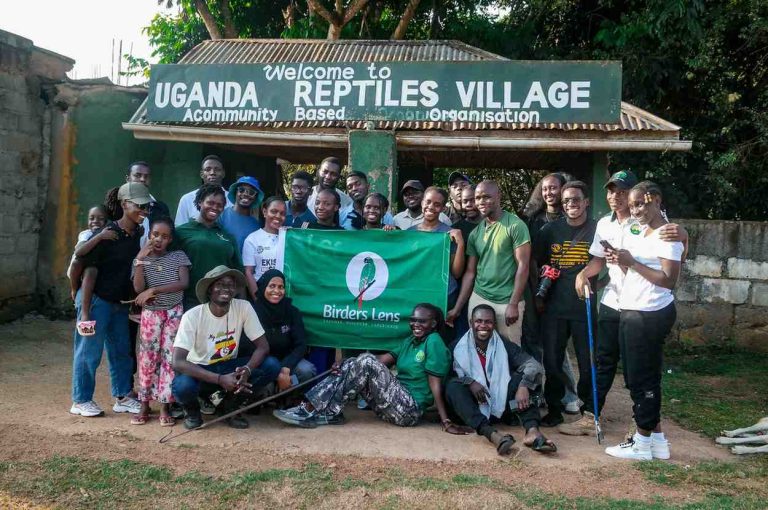
At Birders Lens, we mourn with the Royal Family, the people of the Kingdom of Tooro, the Batooro and Uganda at large.
His Majesty’s journey began with a remarkable childhood accession to the throne, but his legacy grew into something much broader, a story of culture, heritage, conservation, tourism and national identity.
King Oyo’s contribution to Uganda’s tourism story will continue to live through the landscapes and cultural heritage of Tooro.
As travellers continue to climb the Rwenzori, Explore the Crater lakes, visit Fort Portal, Experience Tooro’s Cultural Heritage and discover the extraordinary biodiversity of Western Uganda, they will encounter a destination whose story was strengthened during his reign.
May the legacy of His Majesty Omukama Oyo Nyimba Kabamba Iguru Rukidi IV continue to inspire the protection, promotion and responsible enjoyment of Tooro’s natural and cultural heritage.
May His Soul Rest In Eternal Peace.
Omukama Atulize.
Gutusingire entale yaitu maau tukalinda kubi